
Back to the product list

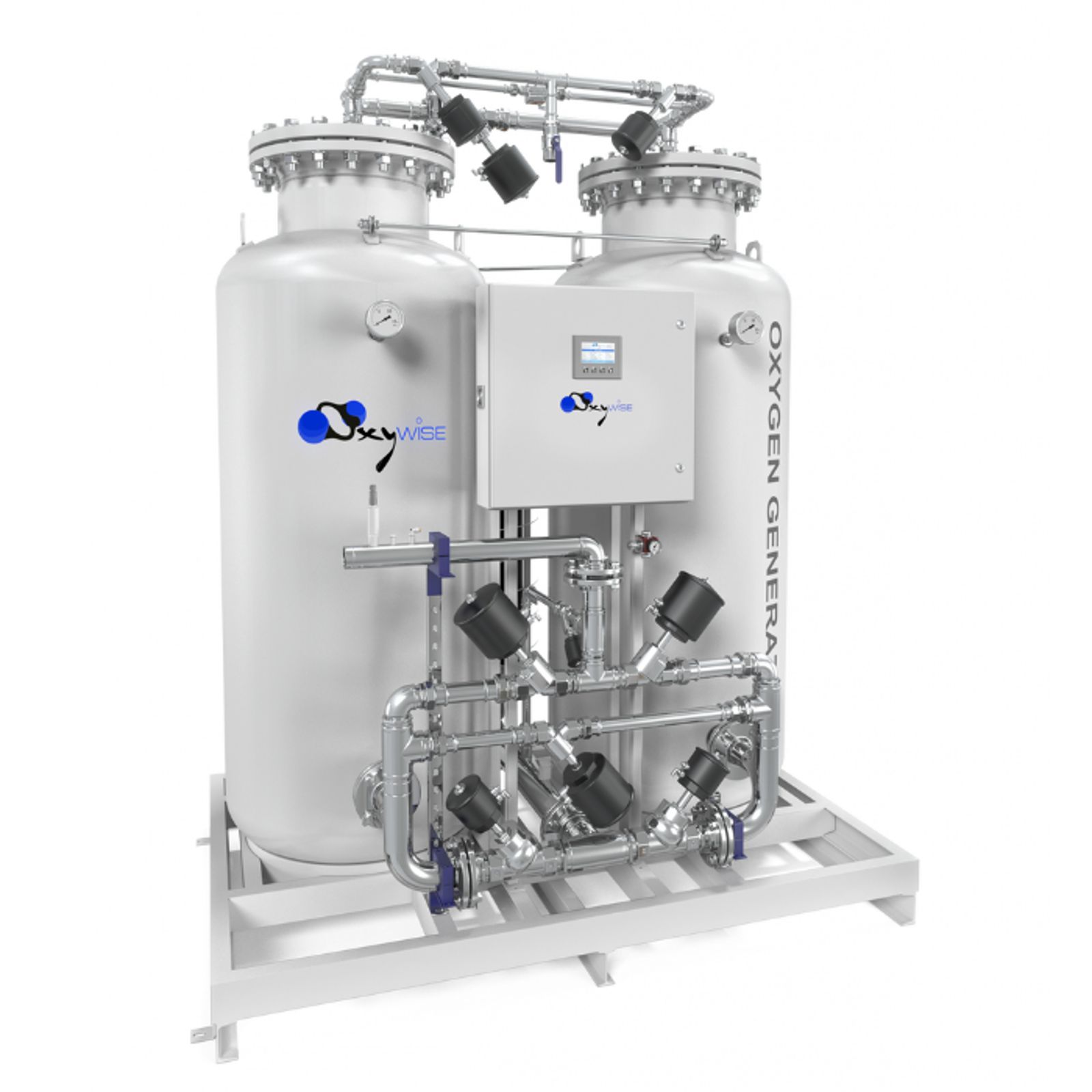
Oxygen Generator - SEP

On Site Oxygen, Designed for Continuous Industrial Operation

The Oxywise Oxygen Generator – SEP series is built for organizations that want a consistent oxygen supply without relying on cylinder deliveries or bulk liquid logistics. Using PSA (Pressure Swing Adsorption) technology, SEP produces oxygen on site from pre-treated compressed air, delivering a stable product stream for industrial applications that run every day, around the clock.

With SEP, you can select oxygen production within 8.5–87 m³/h and specify 90%, 93% or 95% oxygen purity at an outlet pressure of 4–8 bar, making it practical for both direct process use and distribution to multiple consumption points in a plant.

Oxygen demand in industrial environments is rarely constant. It can rise and fall with production cycles, shifts, or seasonal peaks. The SEP platform is engineered for dynamic pressure loading, supporting reliable performance under variable consumption conditions. This is especially important in processes where pressure fluctuations can reduce efficiency, create instability, or force operators to intervene.

To help match production to consumption, SEP supports automation features such as start/stop behavior and continuous monitoring, helping facilities reduce unnecessary compressed‑air usage when demand dips and maintain supply confidence when demand increases.
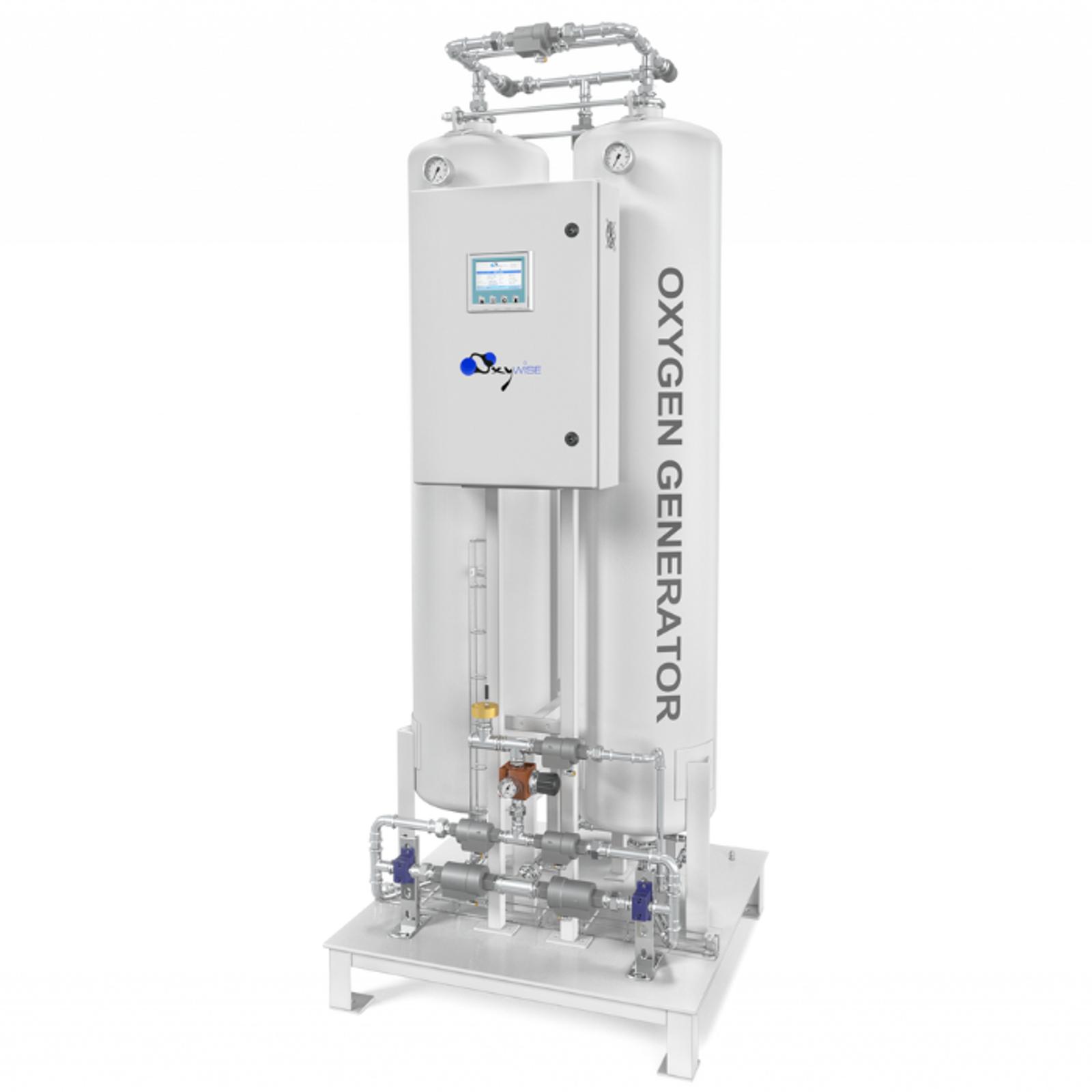
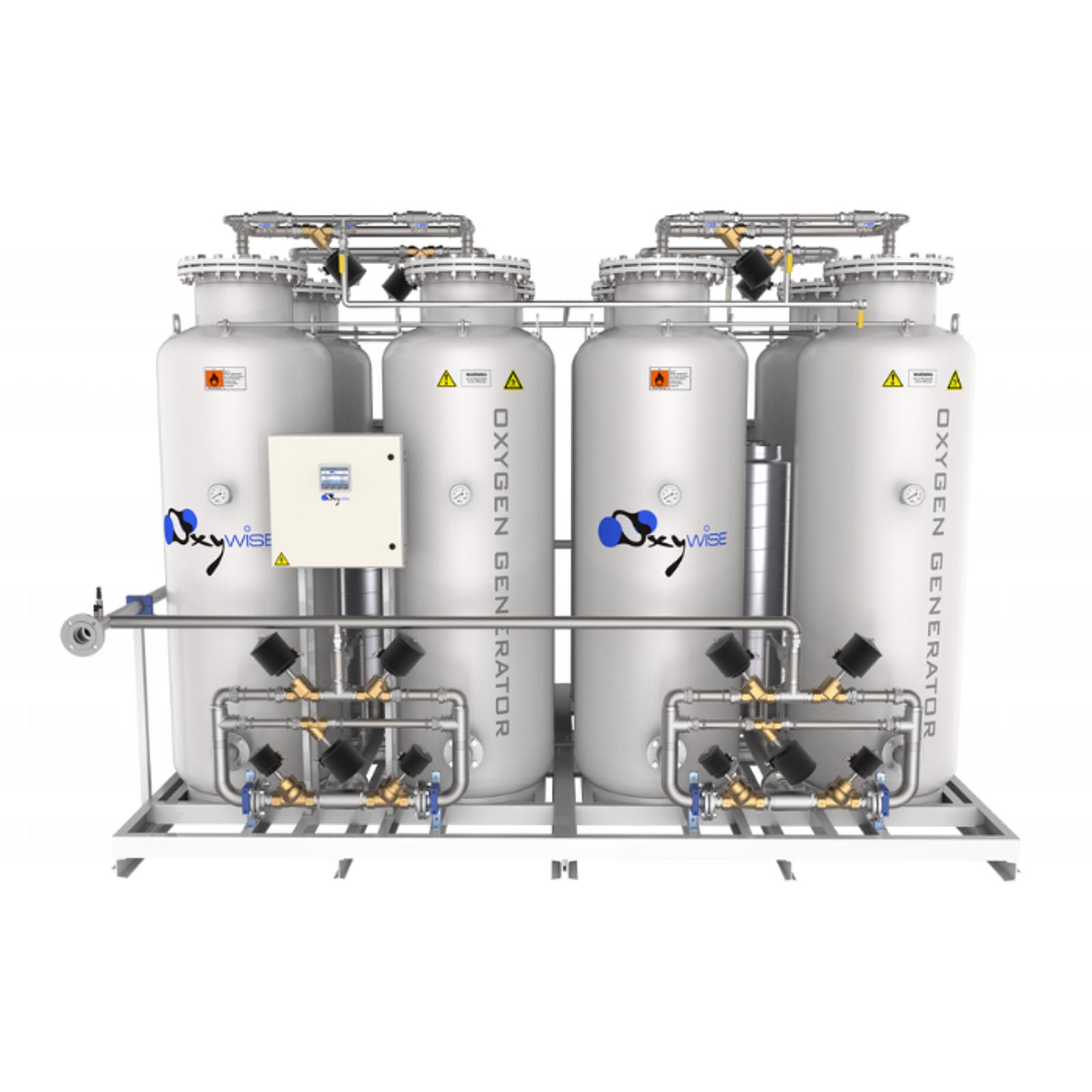
Pressure Swing Adsorption separates oxygen from air by using an adsorbent material (a molecular sieve) that preferentially captures nitrogen under pressure. Compressed air enters the active adsorption vessel, nitrogen is retained in the sieve, and oxygen flows through as the product gas. Once the sieve becomes saturated with nitrogen, the system reduces pressure to release the nitrogen and regenerate the bed. By alternating between two adsorption vessels, the generator maintains a continuous oxygen supply.

This method operates at near ambient temperatures and is widely used for on site oxygen generation where small to medium capacities and high reliability are required.

SEP series operating parameters are designed to align with typical industrial utilities and instrumentation:

• Oxygen flow range: 8.5–87 m³/h

• Oxygen purity options: 90%, 93%, 95%

• Oxygen outlet pressure: 4–8 bar(g)

• Ambient operating range: 5°C to 50°C

• Air inlet pressure range: 7.5 to 10 bar(g)

Because PSA performance depends heavily on air quality, the upstream compressed air system must include properly sized drying and filtration. Many industrial specifications define inlet air quality using ISO 8573 1 classes, which categorize compressed air purity in terms of particles, water, and oil. Aligning filtration and dryer selection to a defined ISO class is one of the most effective ways to protect sieve performance and sustain long-term output stability.

Selecting oxygen purity is not only about concentration—it can also affect how oxygen performs in downstream processes and how the overall system is sized. Many applications run efficiently at 90–95% oxygen, while processes with strict performance thresholds may require tighter control of purity and oxygen delivery conditions.

Dry oxygen can also be critical for process consistency and equipment protection. In moisture-sensitive environments, a low oxygen dew point reduces the risk of condensation, corrosion, and instrument instability across oxygen piping networks and end-use equipment.

SEP is designed to be operator-friendly while supporting industrial automation needs. Built-in monitoring such as oxygen purity measurement improves day-to-day confidence, and a modern control interface simplifies operation and diagnostics. When integration with plant systems is required, typical industrial communication options enable connection to supervisory systems for alarm handling, status visibility, and performance logging.

A PSA oxygen generator performs best as part of a properly engineered supply system. In most industrial installations, the full solution includes:

• Compressed air source and pretreatment (drying and filtration sized to the required air quality)

• PSA oxygen generator

• Oxygen buffer storage sized to stabilize pressure and manage demand spikes

• Optional downstream equipment depending on end use (pressure regulation, boosting for cylinder filling, or additional monitoring)

Proper buffering is especially valuable in applications with fluctuating consumption, because it stabilizes line pressure and reduces cycling stress on the generator.

Oxygen is not flammable, but it greatly accelerates combustion and increases fire risk as concentration and pressure rise. Safe oxygen handling therefore depends on disciplined design and operating practices, including oxygen-compatible materials, cleanliness for oxygen service, and procedures that reduce ignition risks. In practical terms, this means preventing contamination, avoiding inappropriate lubricants or non-compatible components, and ensuring personnel understand oxygen-enrichment hazards in the installation environment.

SEP is suitable for a broad range of industrial oxygen uses where reliable on-site supply improves continuity and reduces dependency on deliveries, including water and wastewater treatment processes, ozone generation, aquaculture, glass and metal processing, and oxygen-supported cutting/welding operations.

To select the correct SEP configuration, begin with your required oxygen flow at your chosen purity and expected delivery pressure. Then account for demand variability by identifying average flow, peak flow, and how quickly peaks occur. This determines whether you should size primarily for peak generation capacity, buffer storage capacity, or a balanced combination of both.

Next, validate that your compressed-air system can consistently provide the required inlet pressure and air quality. Stable PSA output depends on steady inlet conditions, and correct filtration and drying are essential for maintaining purity and protecting the molecular sieve over time. If your project includes high-pressure cylinder filling, plan for a downstream booster stage, as PSA oxygen is typically generated at distribution pressure and then compressed for storage.

Standard features

  • Designed for dynamic pressure loading
  • Built in purity analyzer for constant monitoring
  • SIEMENS colored touch screen control
  • Modbus TCP, Ethernet connection
  • Data-logging via USB interface
  • Remote start/stop relay
  • Stainless steel piping

Optional features

  • Energy saving valve – reduces compressed air usage during turn down
  • Purity control – off spec purge
  • Sequential start/stop – one button operation
  • Flow control valve – flow & purity adjustment
  • Remote monitoring
  • Audio-visual alarm
  • SMS alarm
  • and other

Oxygen generators

Produce gaseous oxygen from compressed air on site and offer a cost-effective, reliable and safe alternative to traditional oxygen gas supplies such as cylinders or cryogenic liquid. Our design is made for round the clock 24/7 operation. Each generator is equipped with automatic start&stop function, enabling the generator to start and stop automatically according to the consumption.


PSA Technology

PSA Oxygen Generator consists of two columns filled with a zeolite molecular sieve. Pre-treated compressed air enters the active column and flows up through the zeolite. Nitrogen and other unwanted gases are adsorbed while the oxygen passes through. The active column then becomes fully pressurized. When this pressure is released, the column becomes inactive and completely regenerates during the depressurization. In order to secure a steady flow of oxygen each generator is built from two columns; one is active while the other is inactive. At the end of each columns cycle, they switch roles.

Flow

8.5 - 87 m3/h


Outlet pressure

4-8 bar


Purity

90, 93, 95 %


Operating time

24/7

Need Help Choosing the Right Product?

Our team of experts is here to guide you. Contact us to discuss your requirements or request a custom quote.

FAQs

The right purity depends on your process sensitivity and performance requirements. Many industrial applications operate efficiently within the 90–95% range, especially where oxygen is used to support oxidation, enrichment, aeration, or combustion enhancement. Choosing the lowest purity that meets your process needs can improve operating efficiency, while processes with strict performance thresholds may benefit from higher purity setpoints. If multiple processes share one oxygen source, it is often best to size and set purity to satisfy the most demanding consumer while using buffering and regulation to stabilize delivery to all points.