Back to the product list

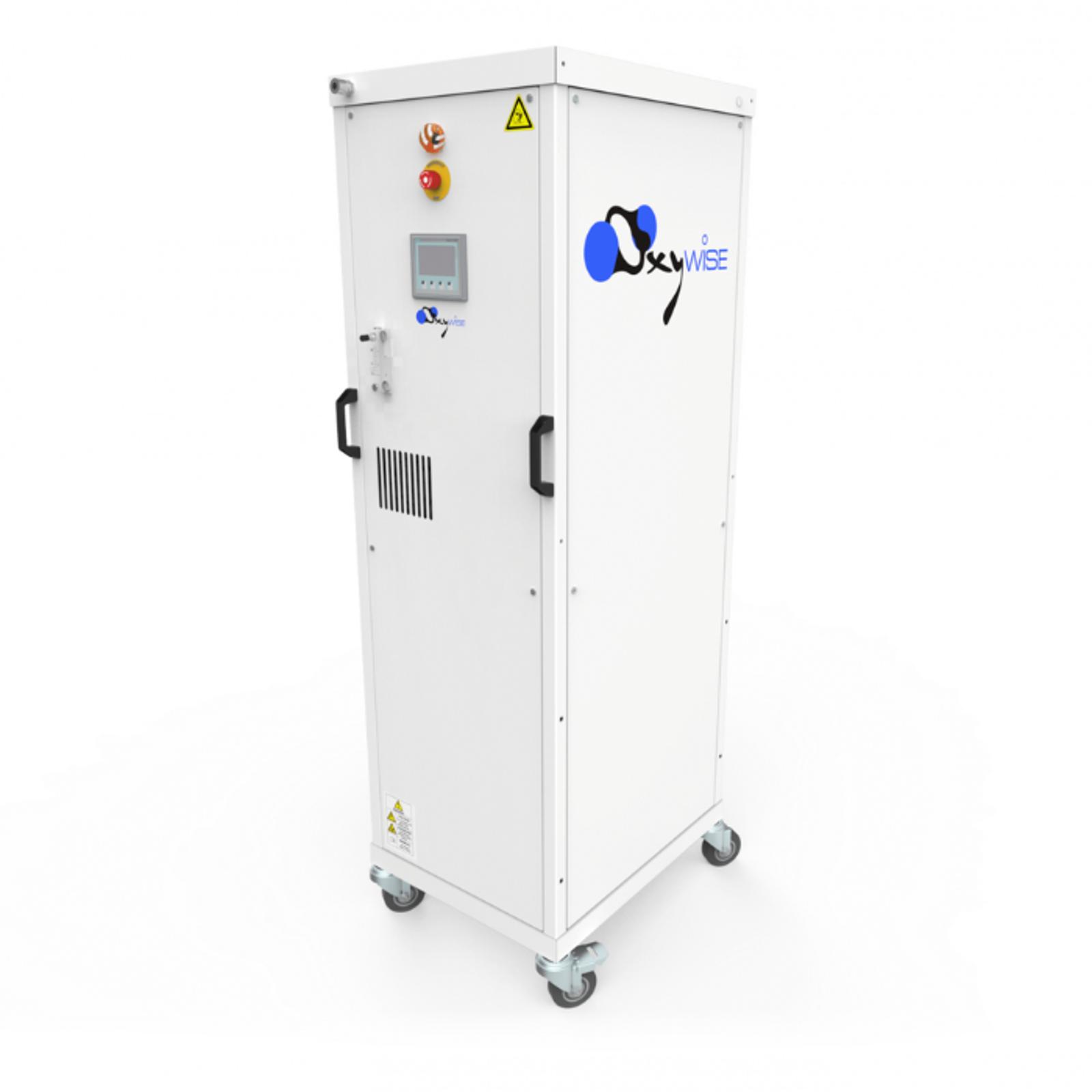
Oxygen Filling Station

Flow

3.4 m3/h - 42 m3/h


Filling capacity

13.6 cylinder/day - 168 cylinder/day


Purity

93, 95 %


End pressure

152 bar - 207 bar

Standard features

  • SIEMENS control system with 4”  colour touch operated panel
  • Robust design, piping from Stainless Steel (AISI316)
  • Molecular sieve moisture protection
  • Data-logging on USB storage
  • Modbus TCP/IP connection
  • Automatic start/stop
  • Audio/visual alarm

Optional features

  • SMS alarm & control (remote start/stop, status SMS, alarm warning SMS)
  • Sequential start/stop system (one button operation)
  • Purity and pressure control 7” and larger touch screens
  • Filling ramp suitable for various cylinder sizes
  • Remote control over Internet/GSM via VPN
  • Flow meter with totalizer
  • Product gas dew point sensor
  • Monitoring of residual oil in compressed air
  • Temperature monitoring

Oxygen generators

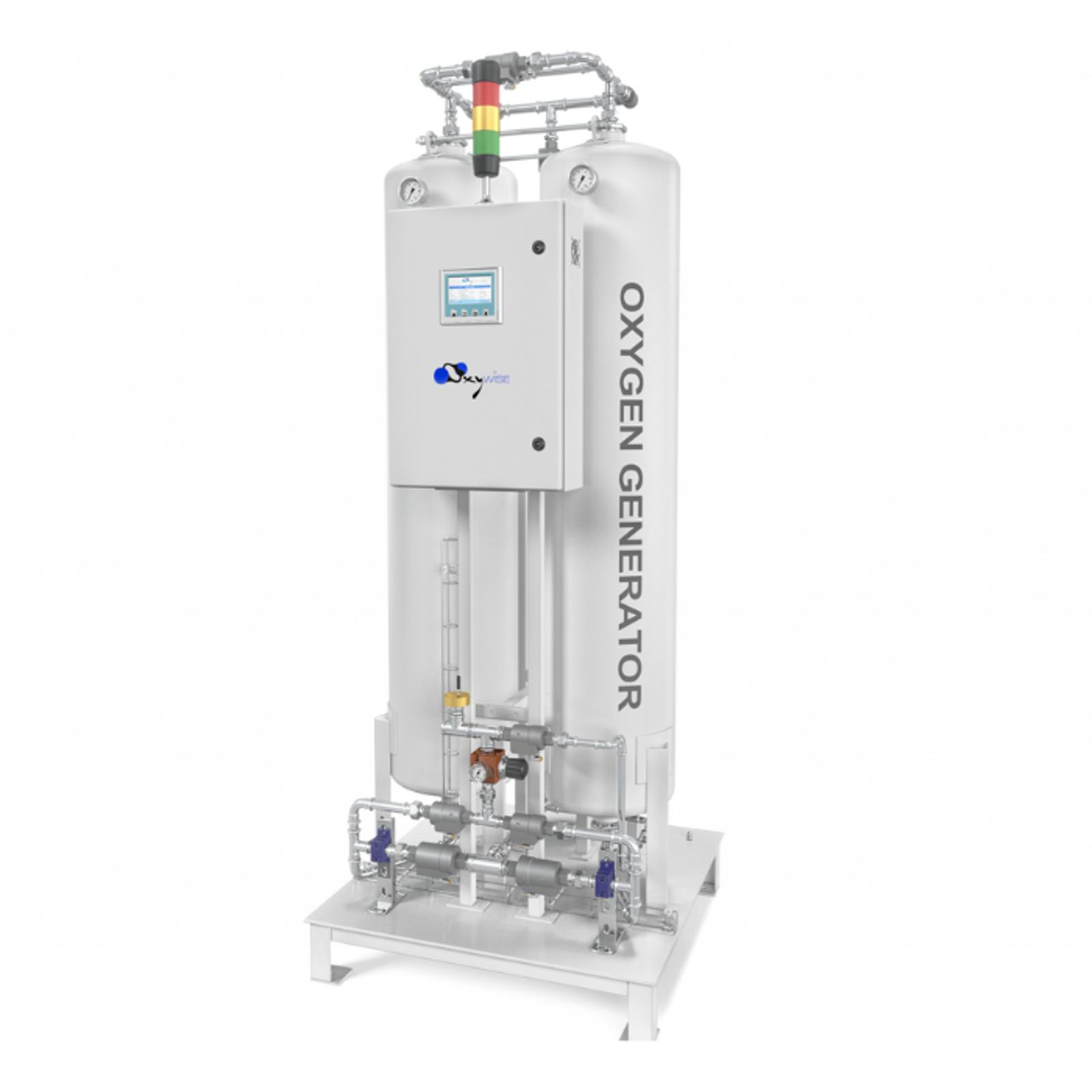
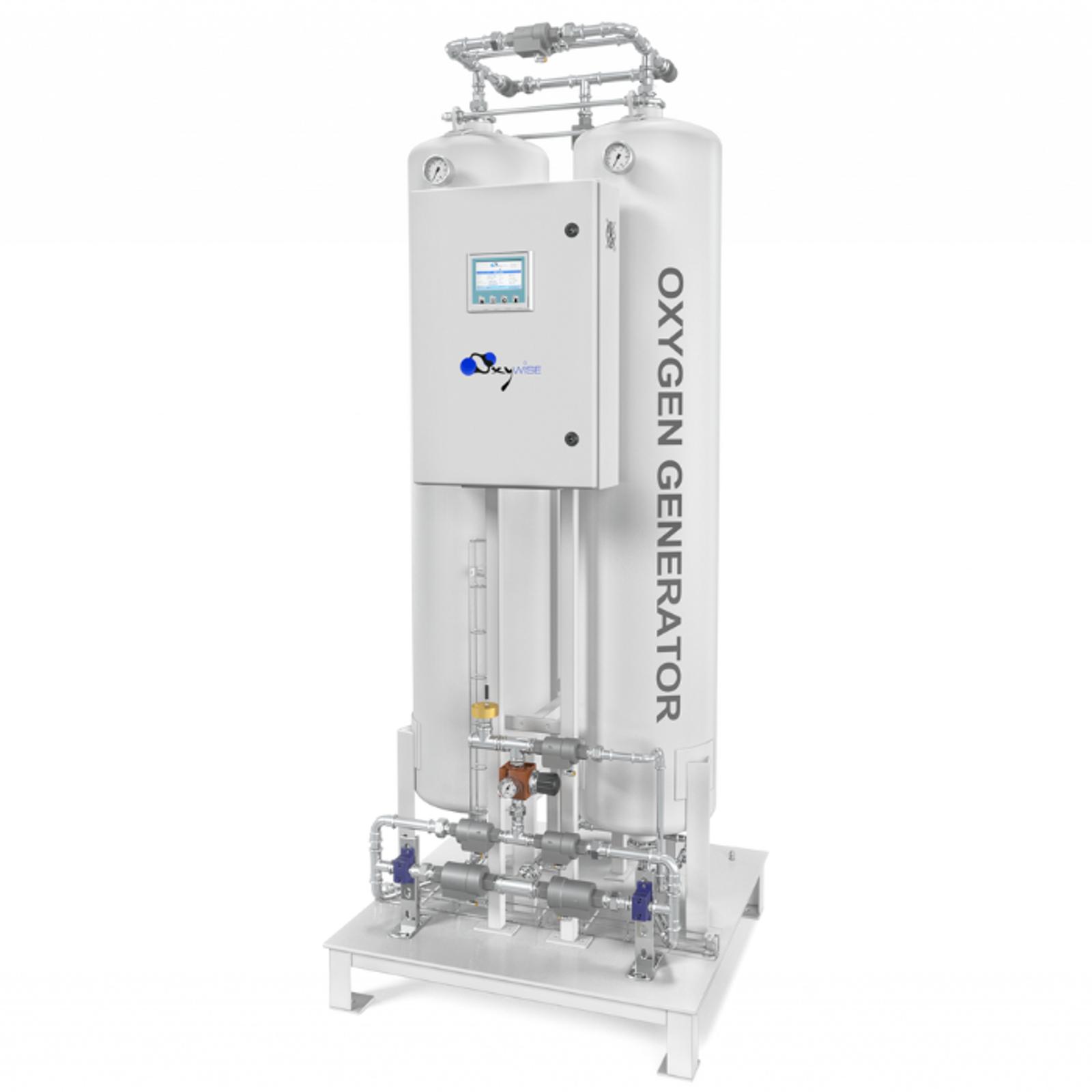
PSA Oxygen generators produce gaseous oxygen from compressed air on site, and offer a cost-effective, reliable and safe alternative to traditional oxygen gas supplies such as cylinders or cryogenic liquid. Our design is built for 24/7 operation. Each generator is equipped with an automatic start/stop function, enabling reliable and cost-effective operation based on the consumption.


Filling station

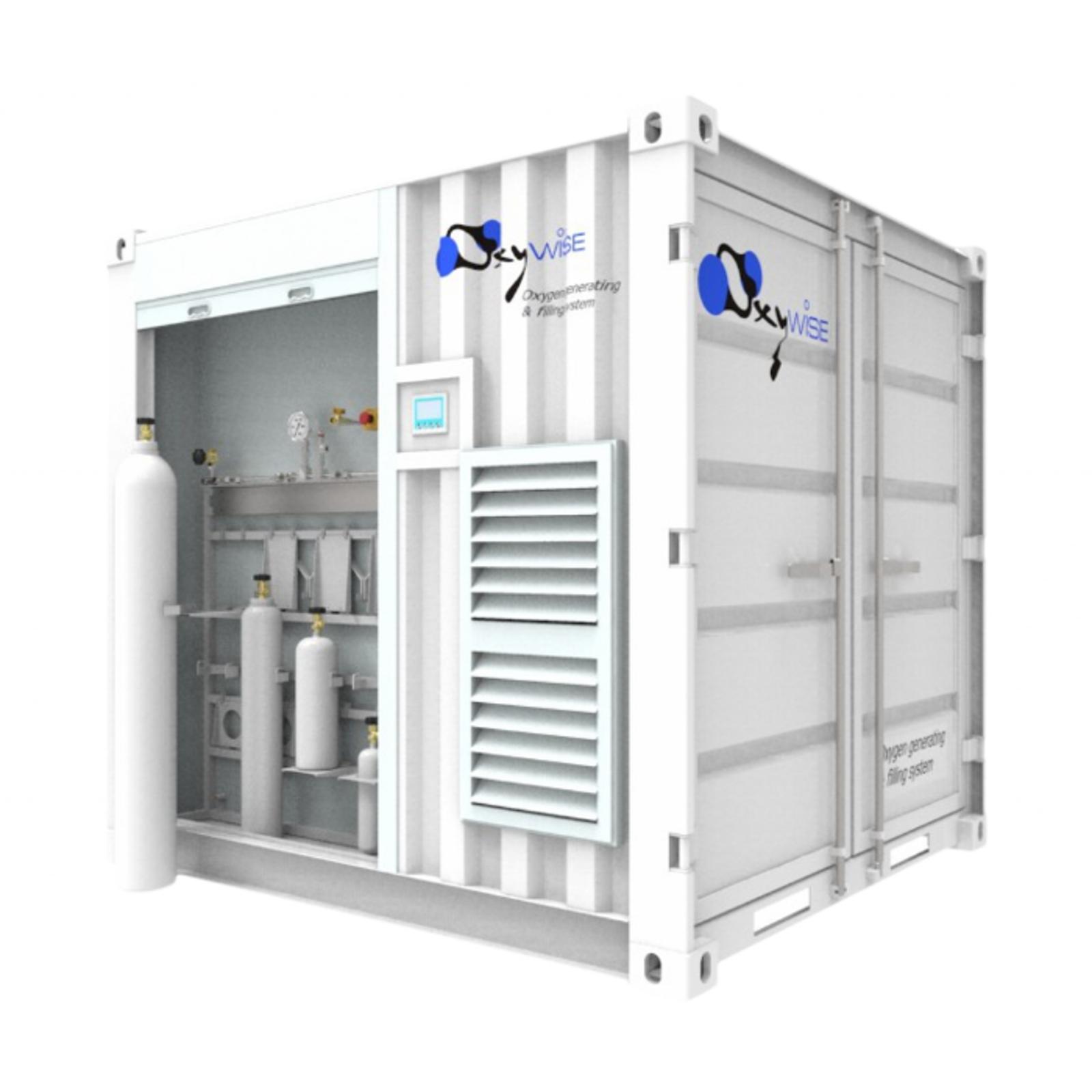
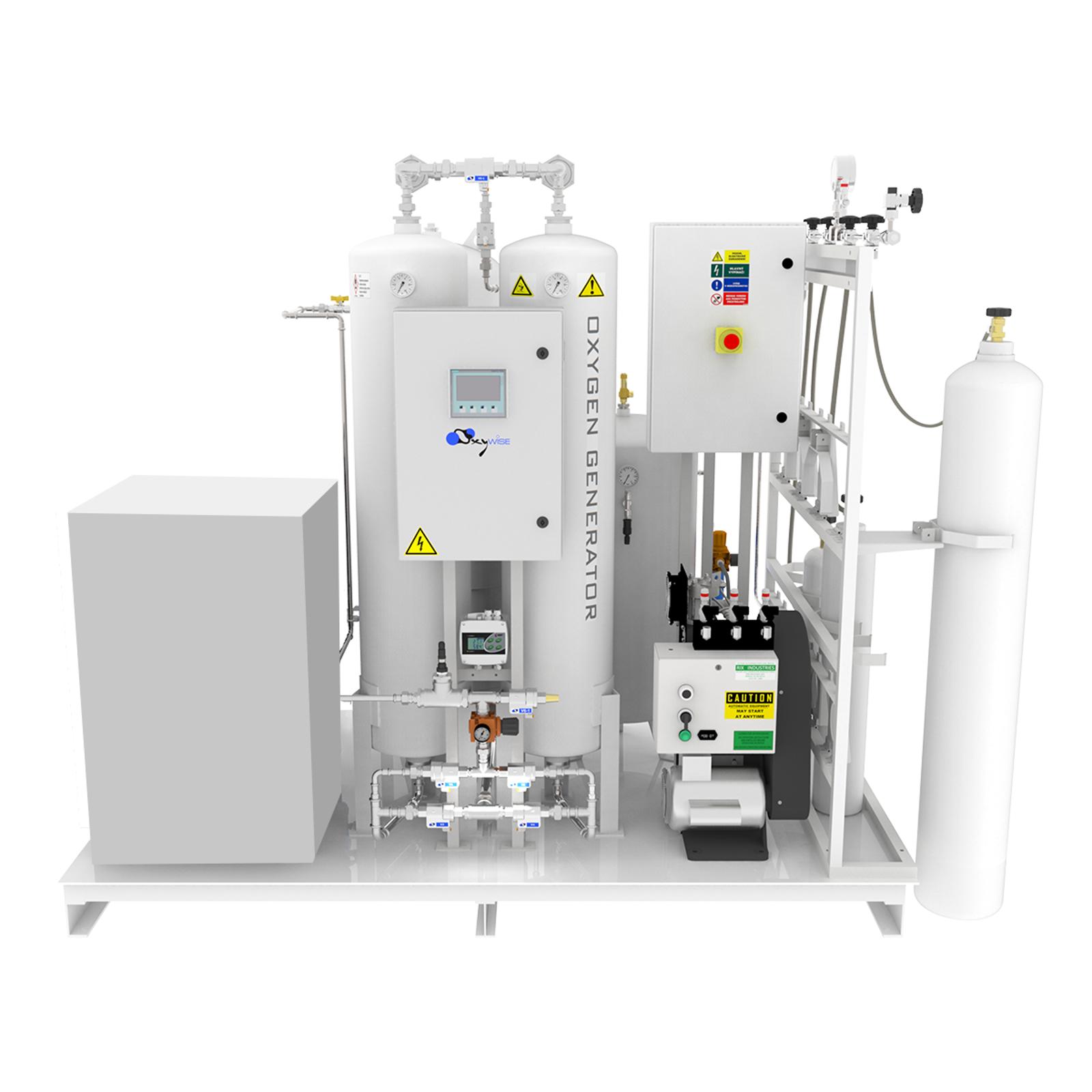
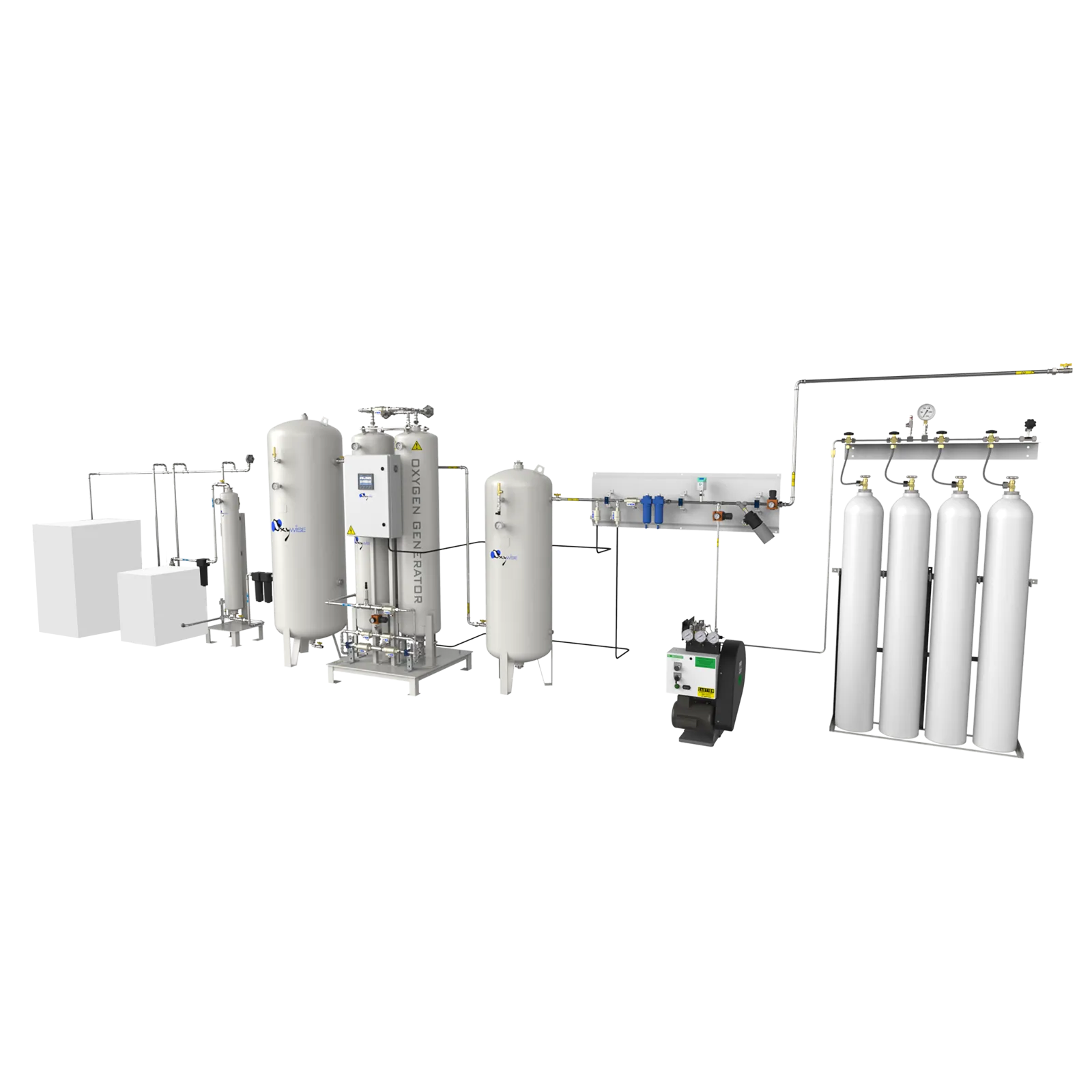
Oxygen generator incorporated with oxygen high pressure compressor for filling cylinders creates a system called Oxygen generating and filling station. System consists of essentials such as air compressor, dryer, filtration etc. and standard features including molecular sieve protection, stainless steel piping and many more. Oxygen filling plant can be enhanced with optional features to make the operation more comfortable for the end-user, for instance remote control, flow meter and flow control valve or energy saving valve, etc.
FAQ

An oxygen filling station is a system designed to fill oxygen cylinders using oxygen produced on site, typically from an oxygen generator. The station compresses oxygen to the required pressure and transfers it into cylinders in a controlled and repeatable manner. This process allows facilities to create their own oxygen cylinder supply as needed, without relying on external refilling services.

Facilities often choose an oxygen filling station to gain greater control over oxygen availability and reduce reliance on external logistics. By filling cylinders on site, organizations can respond more quickly to changing demand, avoid delivery delays, and lower long‑term costs associated with rental, transportation, and outsourced refilling.

Oxygen filled through an on‑site oxygen filling station is suitable for use provided it meets the relevant quality and purity requirements for the intended application. The suitability depends on the upstream oxygen source and system configuration. When properly designed and monitored, on‑site filling systems can support both medical and industrial oxygen cylinder use.

An oxygen filling station improves supply resilience by allowing facilities to maintain their own cylinder inventory independent of external suppliers. In situations where deliveries are delayed or unavailable, on‑site filled cylinders provide a reliable backup or primary supply, supporting uninterrupted operations.

Oxygen filling stations are designed to support repeated and continuous filling operations, depending on system capacity and configuration. They are engineered for regular use in environments where cylinder filling is part of daily operations, making them suitable for industrial plants, medical facilities, and service providers.

An oxygen filling station is typically integrated into existing oxygen production and handling workflows. It allows facilities to add cylinder filling capability without disrupting downstream usage, enabling a flexible approach where both pipeline supply and cylinder distribution can coexist within the same oxygen system.

Over the long term, an oxygen filling station can significantly improve cost efficiency by reducing recurring expenses related to cylinder supply services. Facilities benefit from predictable operating costs, reduced administrative burden, and improved utilization of on‑site oxygen production assets.