
Oxygen generators
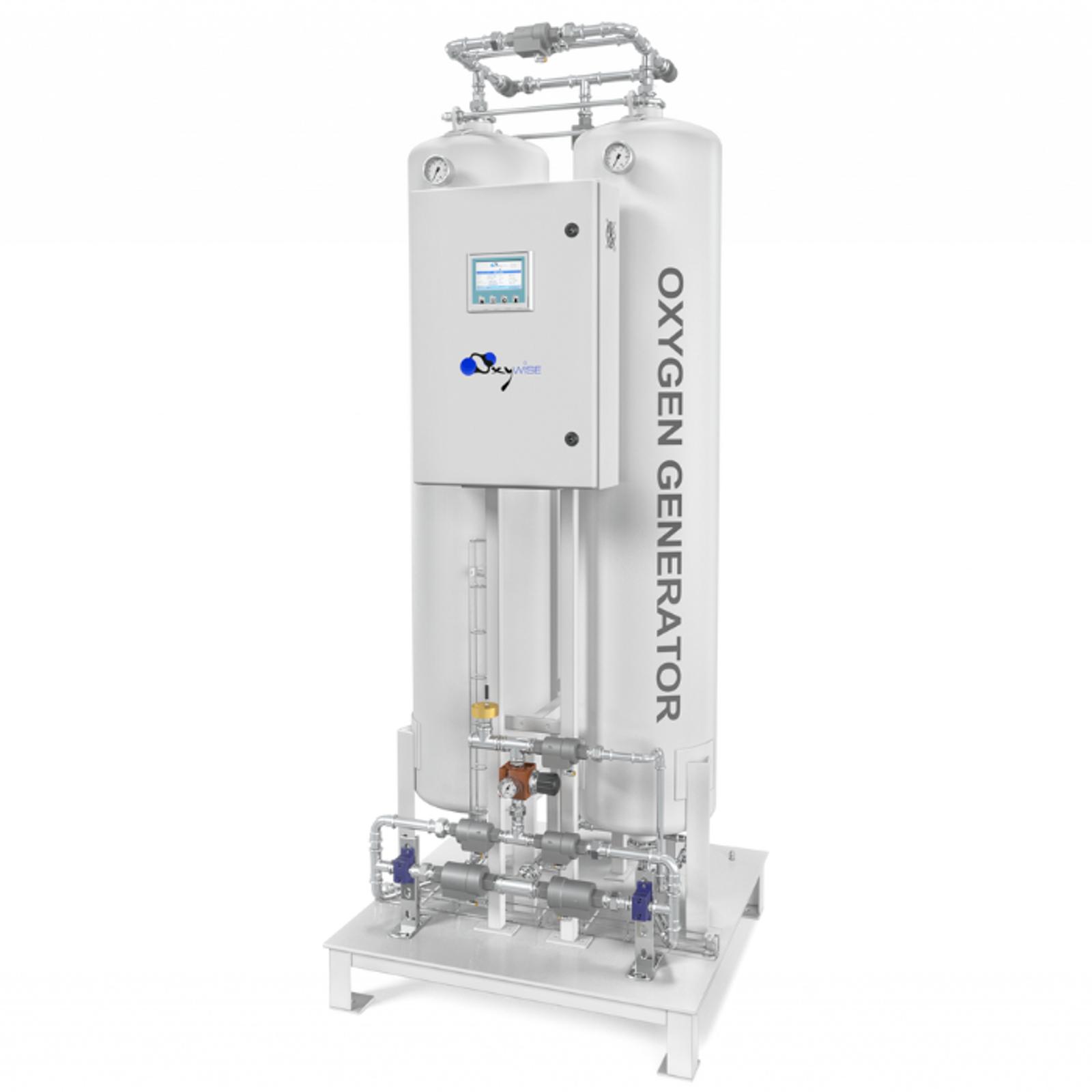
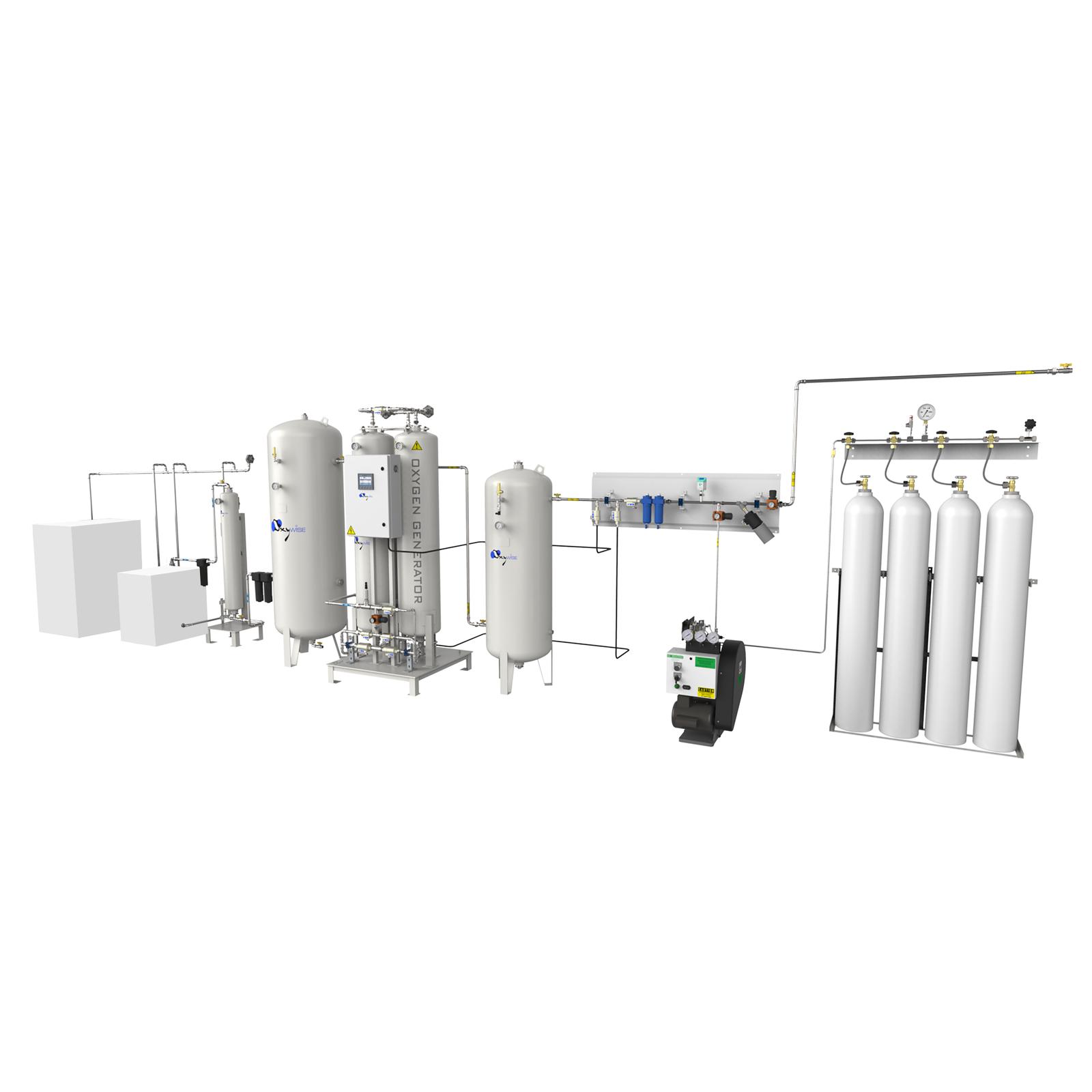
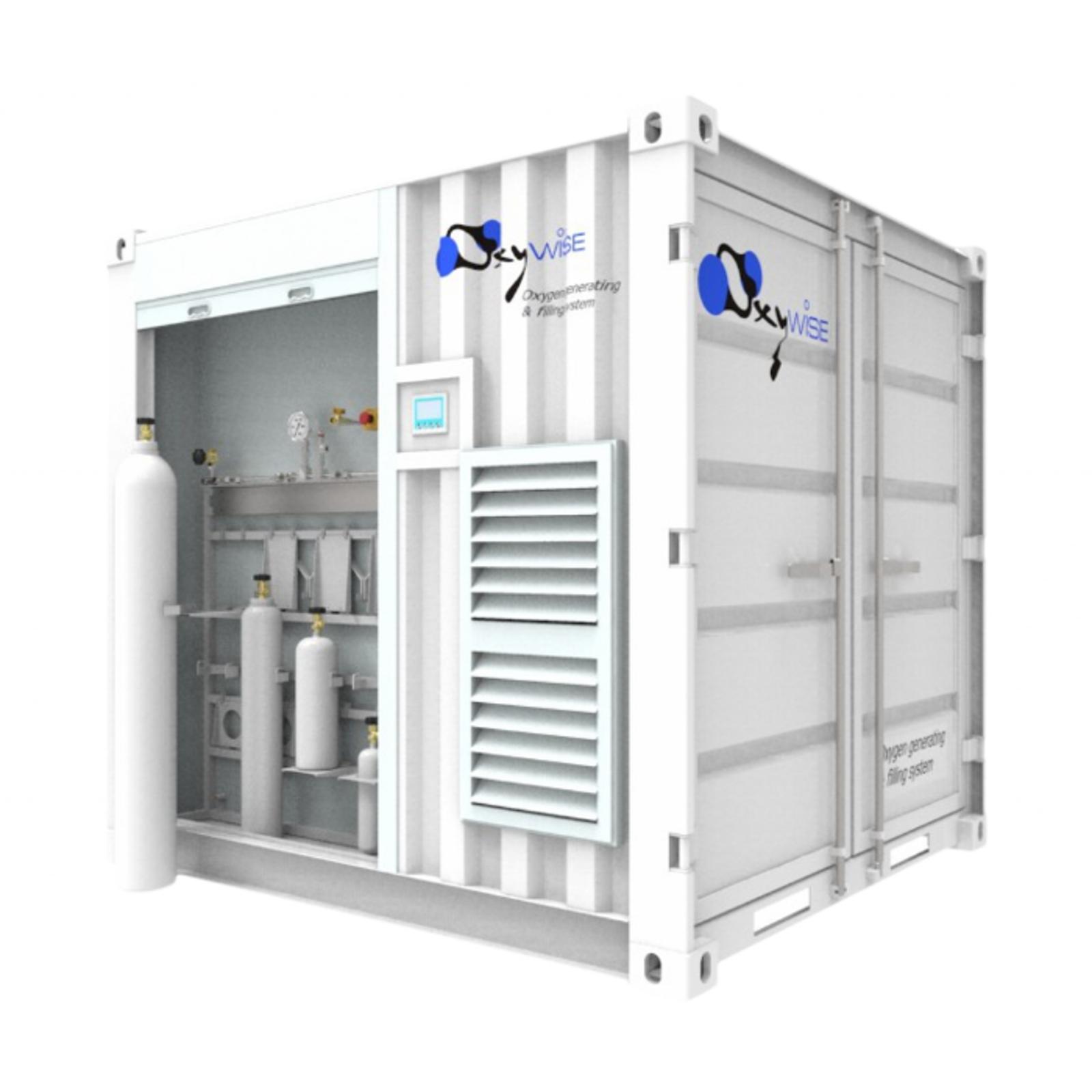
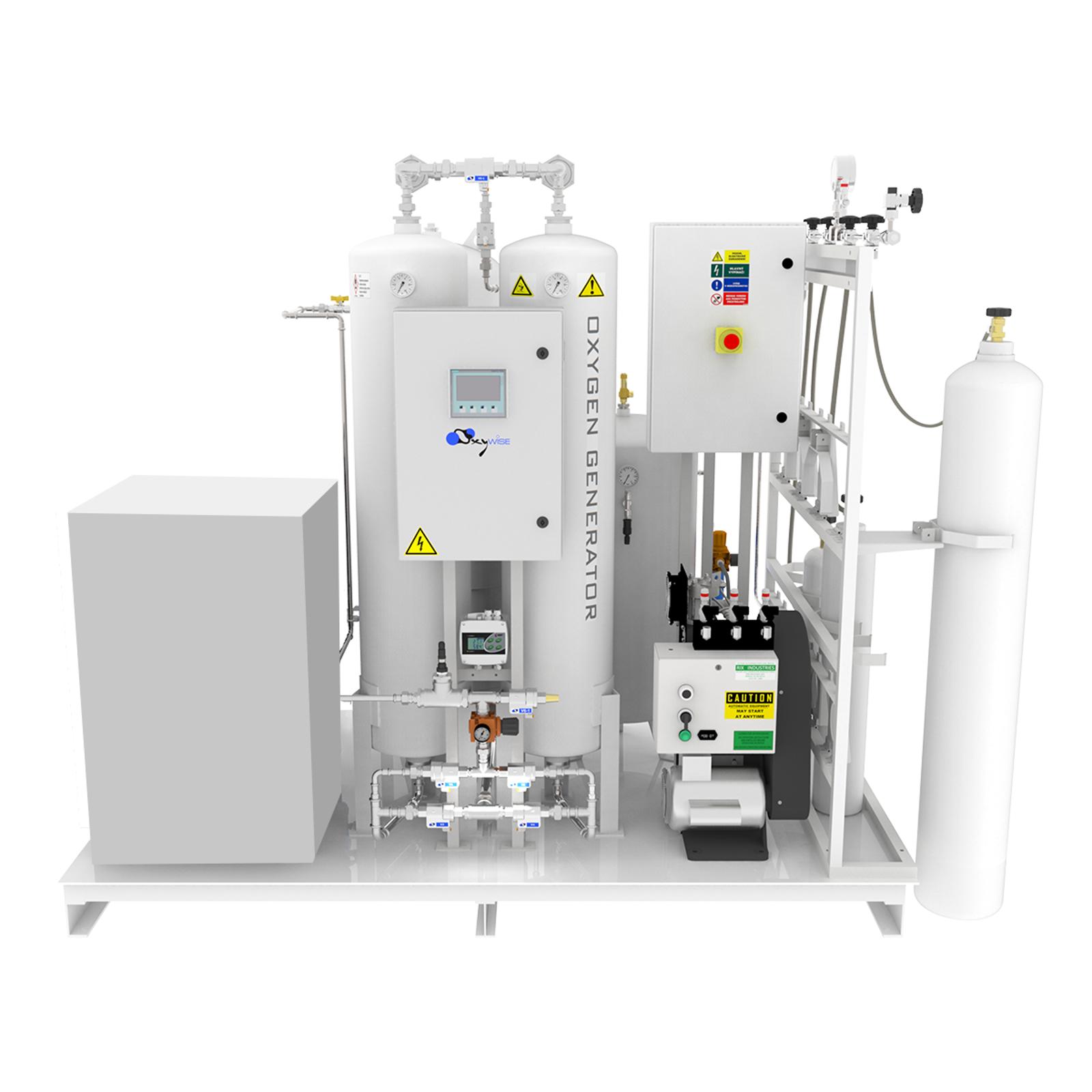
Produce gaseous oxygen from compressed air on site and offer a cost-effective, reliable and safe alternative to traditional oxygen gas supplies such as cylinders or cryogenic liquid. Our design is made for round the clock 24/7 operation. Each generator is equipped with automatic start&stop function, enabling the generator to start and stop automatically according to the consumption.


PSA Technology
PSA Oxygen Generator consists of two columns filled with a zeolite molecular sieve. Pre-treated compressed air enters the active column and flows up through the zeolite. Nitrogen and other unwanted gases are adsorbed while the oxygen passes through. The active column then becomes fully pressurized. When this pressure is released, the column becomes inactive and completely regenerates during the depressurization. In order to secure a steady flow of oxygen each generator is built from two columns; one is active while the other is inactive. At the end of each columns cycle, they switch roles.

Medical Oxygen Generators as a Strategic Part of Healthcare Infrastructure

A medical oxygen generator is no longer viewed only as an auxiliary system, but increasingly as a strategic infrastructure component in healthcare facilities. As oxygen demand becomes more dynamic and supply chains more vulnerable, on‑site medical oxygen generation offers hospitals and clinics greater operational resilience and long‑term security.

Oxywise medical oxygen generators are developed to support this transition by combining reliable oxygen production with system designs compatible with modern healthcare environments.
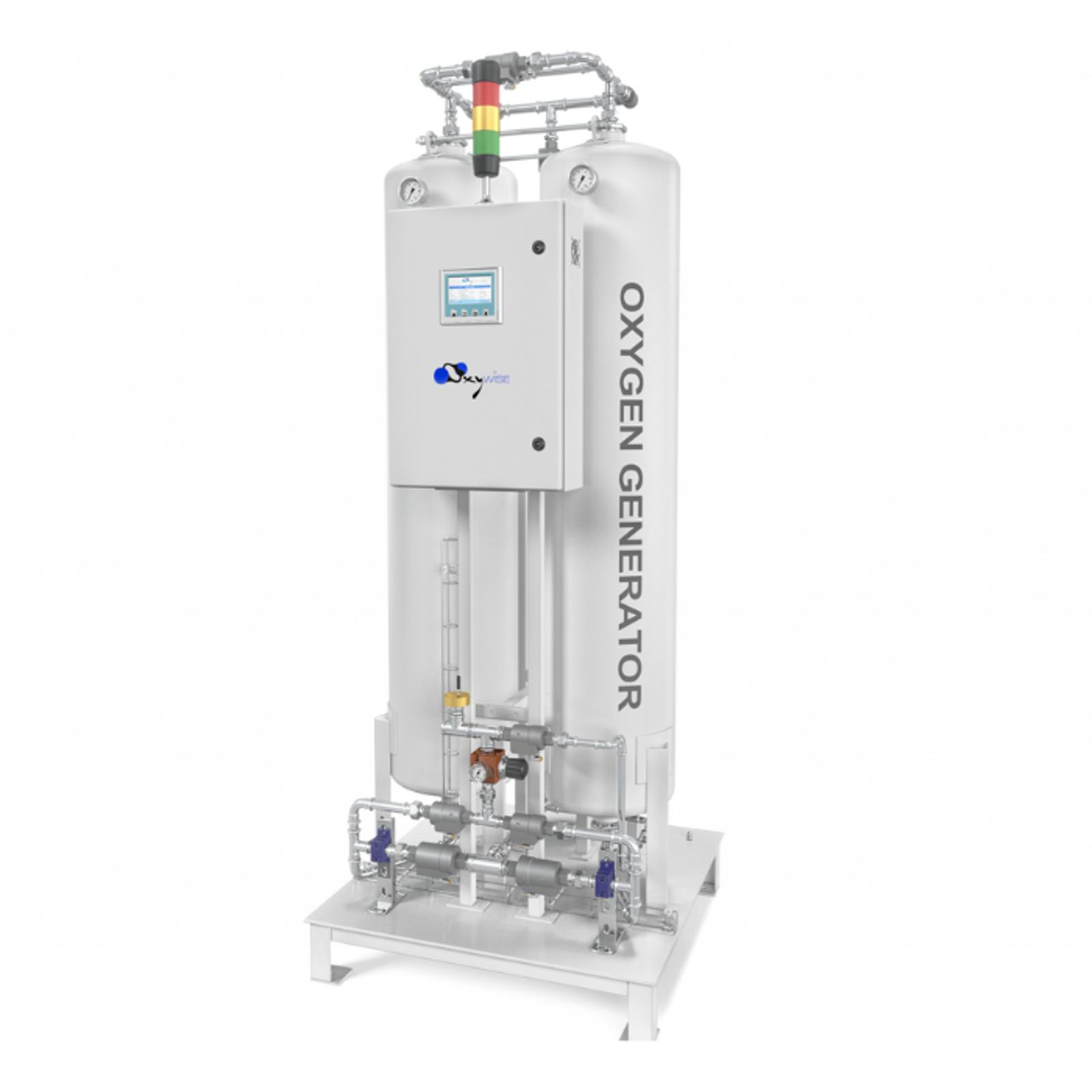
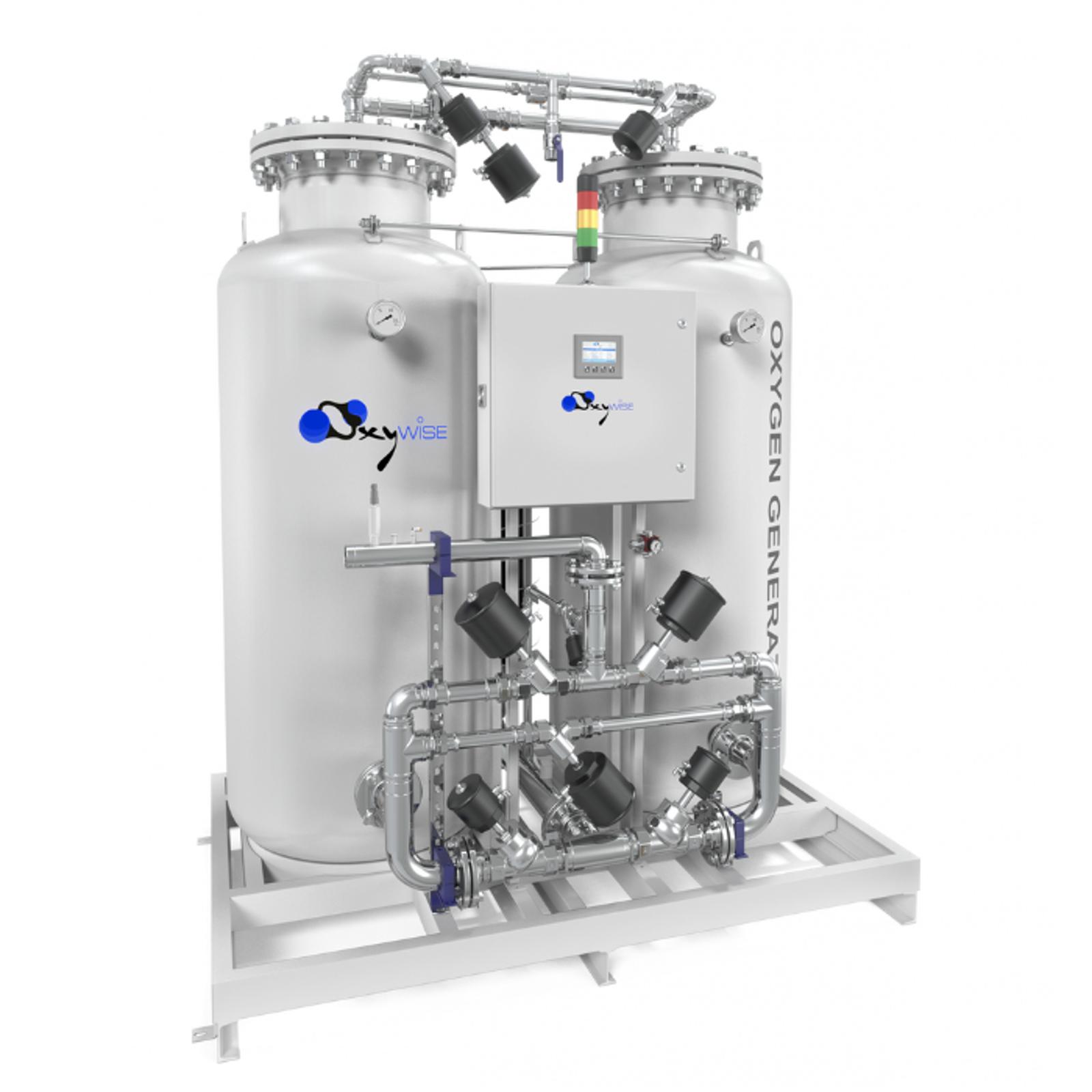
Medical Oxygen Generation and Clinical Continuity

Oxygen plays a critical role across virtually all areas of patient care, from routine therapy to intensive and emergency treatment. A medical oxygen generator supports clinical continuity by ensuring that oxygen availability is not dependent on delivery schedules, transport conditions, or external storage constraints.

By generating oxygen directly at the facility, healthcare providers can maintain uninterrupted access to this essential gas during both normal operation and periods of heightened demand.

Adapting Oxygen Supply to Real World Hospital Demand

Hospital oxygen consumption rarely follows a fixed pattern. Patient admissions, treatment intensity, and emergency situations can lead to rapid and unpredictable changes in oxygen usage.

Medical oxygen generators are designed to respond to these variations by adjusting production output while maintaining stable operating parameters. This adaptability makes on‑site generation particularly suitable for environments where flexibility and reliability are equally important.

Supporting Technical and Administrative Requirements

Beyond clinical use, oxygen supply systems must also satisfy technical, administrative, and compliance‑related expectations. Medical oxygen generators support structured maintenance routines, system monitoring, and predictable operation, all of which are essential for healthcare facility management.

Oxywise systems are engineered to fit into these operational frameworks, helping technical teams manage oxygen supply as part of a controlled, documented infrastructure rather than as a variable external dependency.

Medical Oxygen Generators and Long Term Sustainability

From both an operational and environmental perspective, on‑site oxygen generation contributes to more sustainable healthcare operations. Reducing the need for transported oxygen lowers logistical complexity and supports more efficient resource use over the system’s lifetime.As healthcare providers increasingly evaluate infrastructure decisions through a sustainability lens, medical oxygen generators offer a practical path toward reduced dependency and improved efficiency.

FAQ

A medical oxygen generator increases hospital autonomy by allowing oxygen to be produced directly on site rather than sourced entirely from external suppliers. This shift gives facilities direct control over production capacity and availability, enabling them to manage oxygen supply independently of external logistics. As a result, hospitals can respond more effectively to fluctuations in demand and reduce vulnerability to supply disruptions.