logo.png

Why Hospitals Are Moving to On‑Site Oxygen Generation

In a modern hospital, oxygen is not a “consumable” in the usual sense—it’s a critical utility that underpins patient care across departments. Emergency departments need oxygen instantly for trauma and acute respiratory cases; ICUs depend on continuous therapy; operating rooms require stable oxygenation throughout procedures; and general wards routinely use oxygen therapy for pneumonia and other respiratory illnesses. 

What has changed in recent years is not the clinical importance of oxygen, but the operational expectations around availability, cost control, and resilience.  

Hospital leaders are increasingly asked to deliver three outcomes at once:  

  • Clinical continuity (oxygen must be available 24/7, without disruption)
  • Operational confidence (less exposure to supplier delays and logistical constraints)
  • Financial predictability (lower total cost of ownership vs. legacy supply models).

That is why more healthcare decision makers are evaluating oxygen generators for hospitals—particularly PSA medical oxygen generator systems that produce oxygen directly on site from compressed air. Oxywise positions on-site oxygen generation as a strategic shift: moving from “delivered oxygen” to “produced oxygen” to reduce risk while improving cost visibility. 

For hospitals planning capacity expansion, improving disaster readiness, or enabling rapid deployment, the same logic extends to mobile and modular solutions—such as an oxygen generator for field hospitals—where supply chain access can be uncertain and speed of commissioning is critical. 
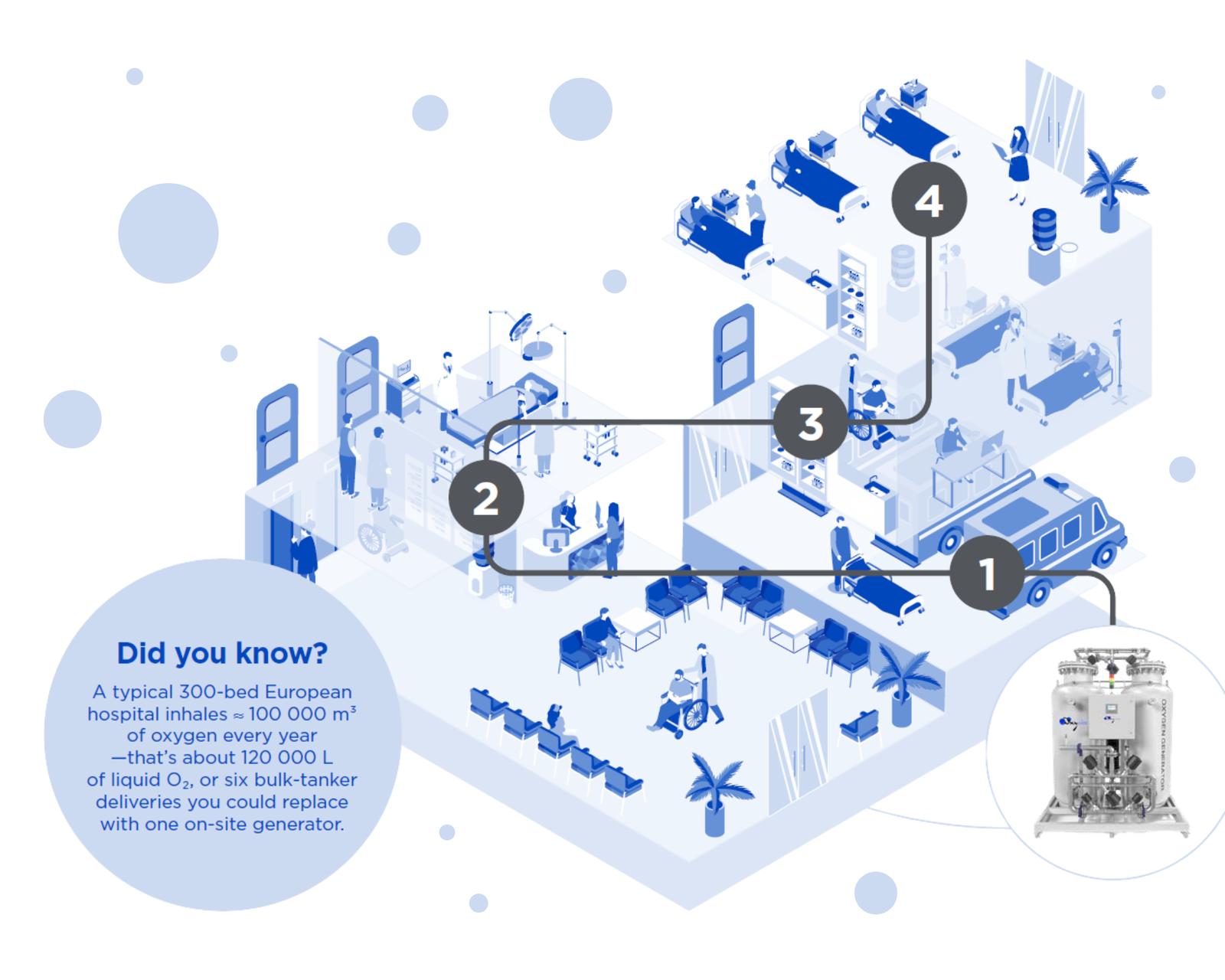
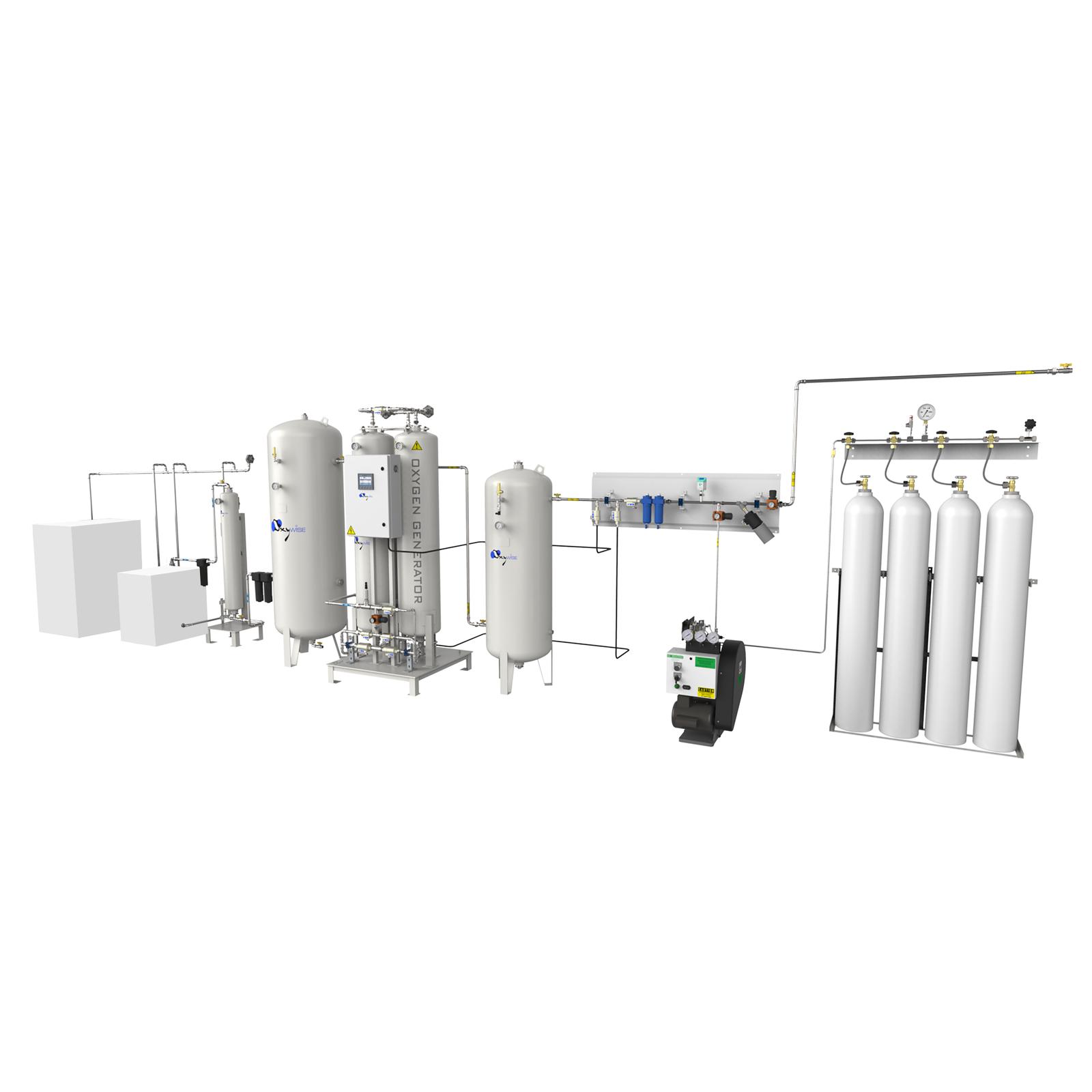
Oxywise Hospital Medical Oxygen Value Chain

The Hidden Costs & Risks of Cylinders and Liquid Oxygen

Traditional supply—high‑pressure cylinders or cryogenic liquid oxygen—can appear straightforward until you account for the real operating impact. 

Cost volatility and contract dependency: Delivered oxygen pricing is influenced by supplier terms, transport, and external market dynamics, creating budget unpredictability. When you rely on frequent replenishment, cost control becomes vulnerable to factors outside your facility. 

Supply chain exposure: Oxygen delivery requires coordination, access, and timing. Any disruption—delayed deliveries, shortages, or logistical constraints—turns into a clinical risk because hospital oxygen demand does not pause. 

Storage, safety, and space burden: Cylinders bring handling and storage requirements that increase safety overhead and occupy valuable space. They also introduce risk through high-pressure storage and movement across the site. 

Losses that rarely show up in initial comparisons: Storage systems can lose oxygen through safety‑pressure release triggered by temperature fluctuations—waste that compounds cost and adds variability to supply planning. 

For many facilities, these challenges converge into a single leadership concern: oxygen assurance at a sustainable total cost. That’s the decision context in which oxygen generators for healthcare become compelling—not as a “new device,” but as a way to stabilize supply, reduce operational friction, and reclaim control. 

What on-site medical oxygen generation changes for hospital decision makers

When you generate oxygen on site, you move from managing deliveries to managing a controlled, in‑house oxygen utility—built around reliability, compliance support, and predictable operating costs. Our Oxywise PSA medical oxygen generators are designed for hospitals and healthcare facilities that require continuous oxygen availability and want to reduce exposure to cylinder or liquid oxygen logistics. 

More supply security, less dependency.
On‑site generation reduces reliance on external deliveries and the risk of delays or shortages, helping maintain continuous availability for critical departments such as ICU, operating theatres, and emergency care. 

Lower and more predictable total cost of ownership (TCO).
Producing oxygen at your facility can reduce oxygen‑related expenses by up to 70% versus traditional supply models, with a standard ROI often under 2 years (depending on consumption profile and local operating conditions). 

Operational simplicity that matches real hospital demand.
Our systems are engineered for 24/7 operation and include automatic start/stop so oxygen production follows consumption—supporting efficiency while reducing unnecessary running time. 

Built‑in quality safeguards for patient protection and easier audits.
Oxywise medical systems can include continuous purity monitoring and control with alarms and protective logic to prevent off‑spec oxygen from reaching downstream users, reducing manual checks and supporting compliance processes. 

Reduced handling and storage risk.
On‑site oxygen production minimizes the need for high‑pressure cylinder handling and large storage areas—simplifying safety management and freeing up valuable space. 

In short, a PSA oxygen generator for hospitals is not simply an equipment swap; it’s an operating-model upgrade: improved oxygen availability, reduced logistical risk, and a more predictable cost base—without compromising clinical expectations. 

Medical Oxygen Generator Brochure

Find out what Oxywise can do for your Oxygen generation process. Read more about our solution for medical oxygen generation.

Oxywise Medical Gas Generators Brochure EN Thumbnail

How a PSA Medical Oxygen Generator Works

A PSA medical oxygen generator uses Pressure Swing Adsorption (PSA) to separate oxygen from ambient air. Ambient air is primarily oxygen and nitrogen; PSA technology uses a molecular sieve (commonly zeolite) to preferentially adsorb nitrogen under pressure, allowing oxygen‑enriched gas to pass through as the product stream. 

Oxywise systems typically use a two‑column design: while one column produces oxygen, the other regenerates. The columns switch roles at the end of each cycle, enabling continuous output suitable for hospital pipeline supply. 

The PSA principle—oxygen from air, separated safely and efficiently. 
Ambient air is compressed and pre-treated, then passed through a molecular sieve inside the generator. The sieve selectively adsorbs unwanted gases during each cycle, allowing oxygen-enriched gas to be produced at the outlet. 

Here’s what matters from a hospital perspective: 

• Consistency of supply: the twin-column approach supports steady production rather than “batch oxygen.” 
• Designed for 24/7 duty: the system is engineered for continuous operation with automated start/stop based on consumption.
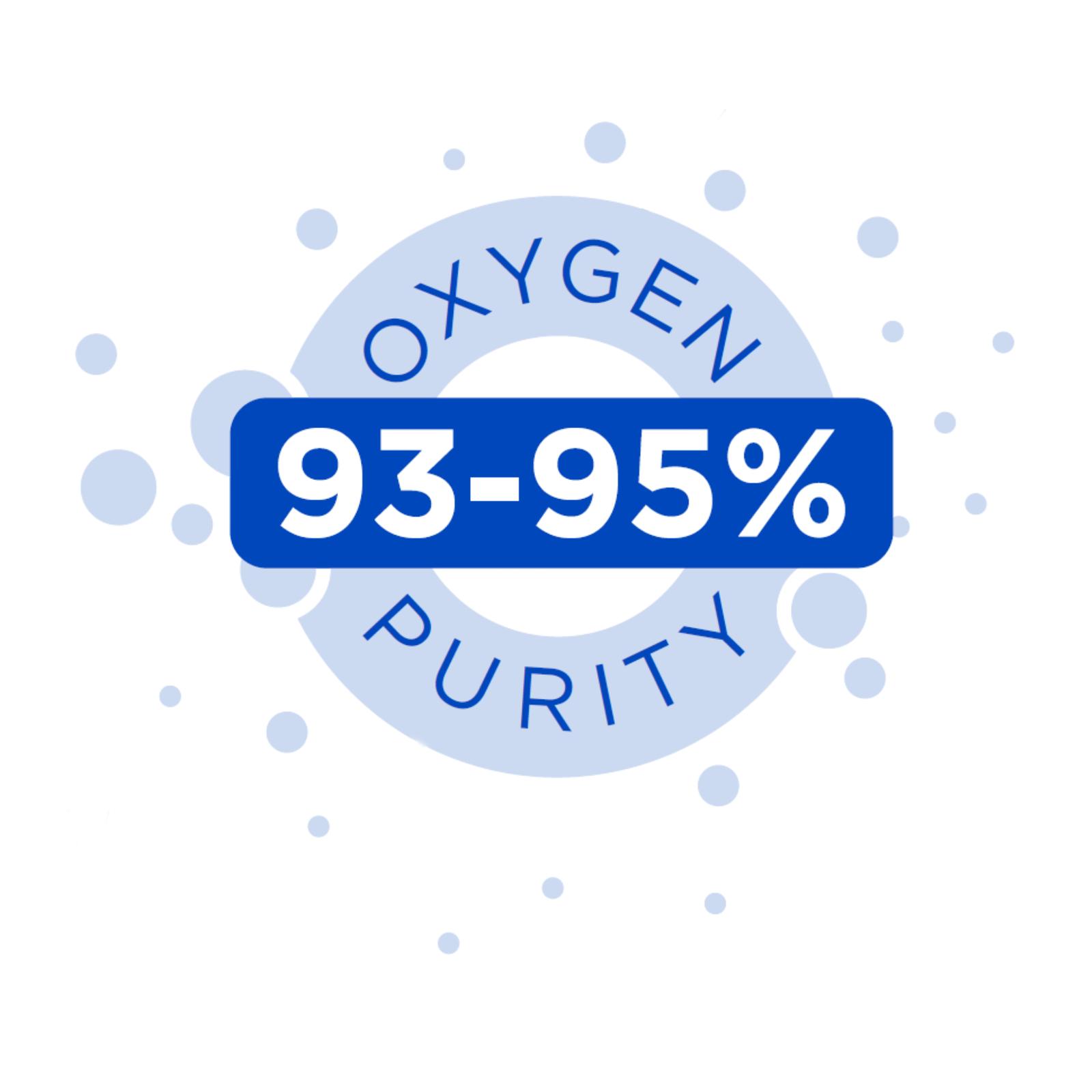
• Purity aligned to healthcare use: the Oxywise medical range is offered with typical purity setpoints such as 90/93/95%, supporting facilities that adopt oxygen-enriched air solutions recognized for medicinal use in relevant pharmacopoeias.

This approach results in a “plug & produce” on-site oxygen: compressed air in, medical-grade oxygen out—supported by controls and monitoring designed for hospital realities (audits, safety expectations, and uptime requirements).

Oxywise Medical Oxygen Generators for Hospitals

Hospitals invest in oxygen generation to achieve three outcomes at once: continuous clinical supply, reduced operational risk, and predictable total cost of ownership. Our oxygen generators for healthcare are built to deliver medical‑grade oxygen on-site with the reliability, monitoring, and deployment flexibility hospitals need—whether you are upgrading a central plant, adding resilience, or preparing for emergency capacity expansion. 

Oxywise medical systems are designed to help hospitals move from reactive oxygen procurement to proactive oxygen production. The core idea is simple: generate oxygen where it is consumed, continuously, with built‑in safeguards that support clinical confidence and operational efficiency. 

Hospitals don’t buy oxygen systems for the brochure—they buy them to reduce operational risk while meeting clinical and compliance requirements at a sustainable cost. This is where Oxywise’s portfolio and engineering features map directly to common B2B concerns: uptime, compliance, scalability, and total cost of ownership (TCO). 

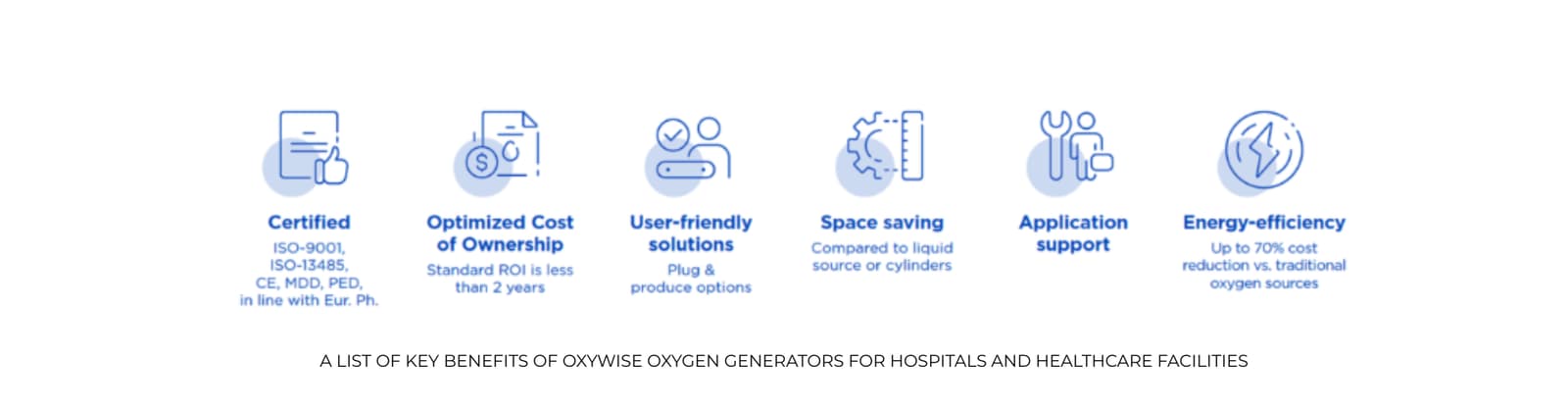
Oxywise Medical Oxygen Generators Benefits Icons Overview

A medical oxygen generators range designed around real hospital supply scenarios

Every facility has a different oxygen reality—pipeline distribution, backup strategy, space constraints, and speed of commissioning. That’s why we offer multiple configurations that map to common hospital use cases:
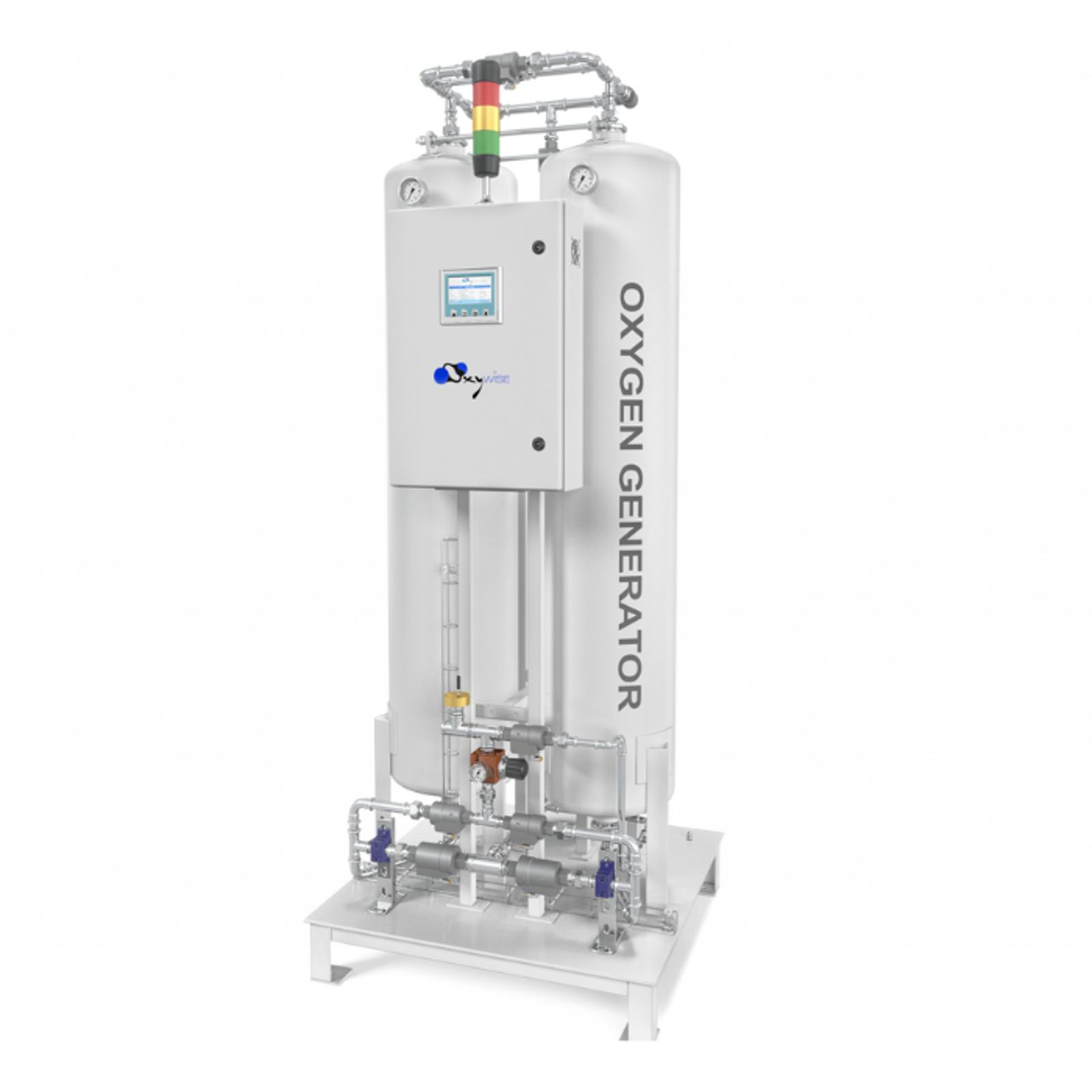
Medical Oxygen Generator (Standard / SEP): Central on‑site oxygen generation for hospitals and clinics, designed for 24/7 duty and automated operation.  
Oxygen Filling Station: For facilities that want to fill cylinders on-site for backup, satellite areas, ambulances, or where a pipeline is not available.  
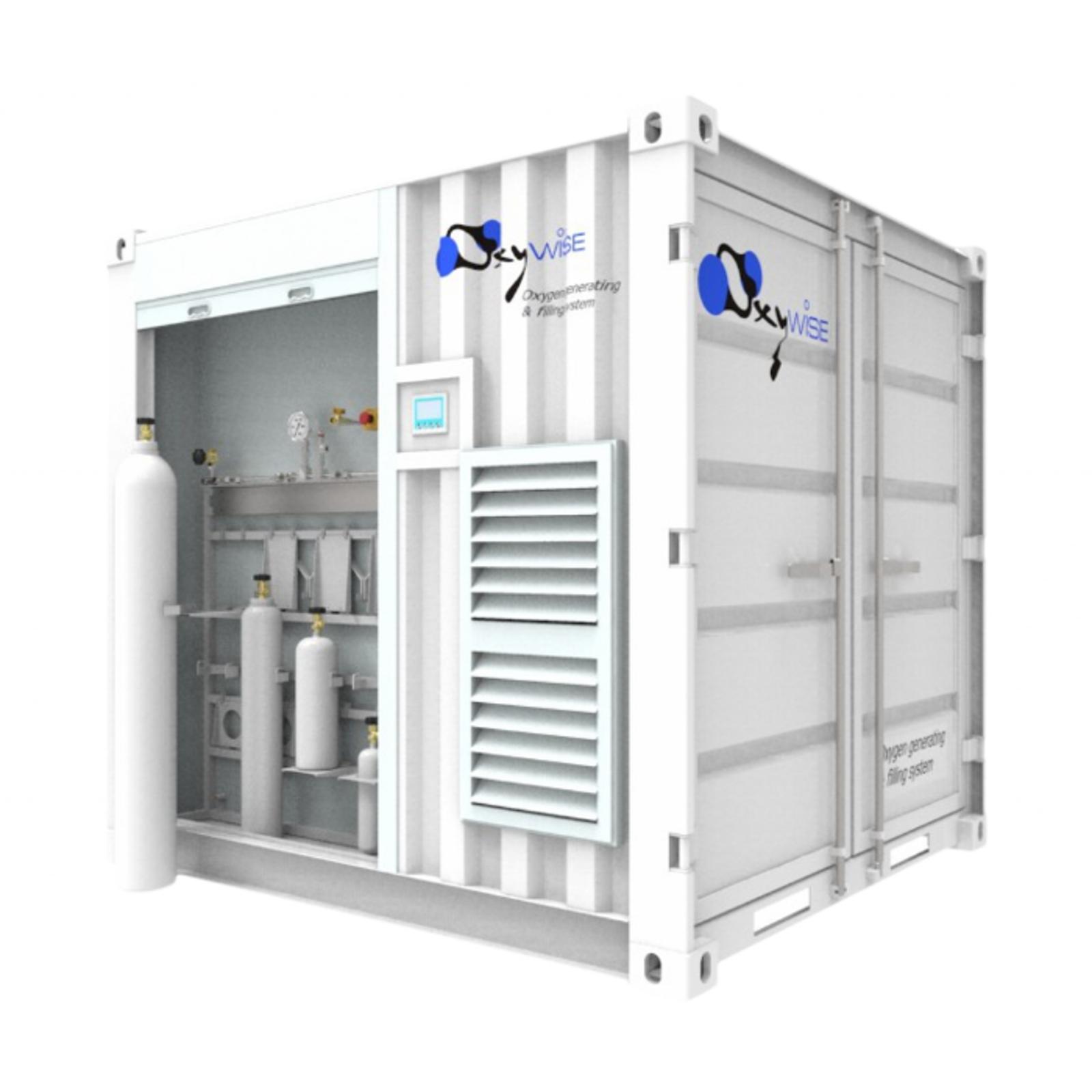
Containerized Oxygen Plant: A fully integrated plant in a modified ISO container, engineered for rapid deployment and harsh environments—ideal for emergency response and an oxygen generator for field hospitals.  
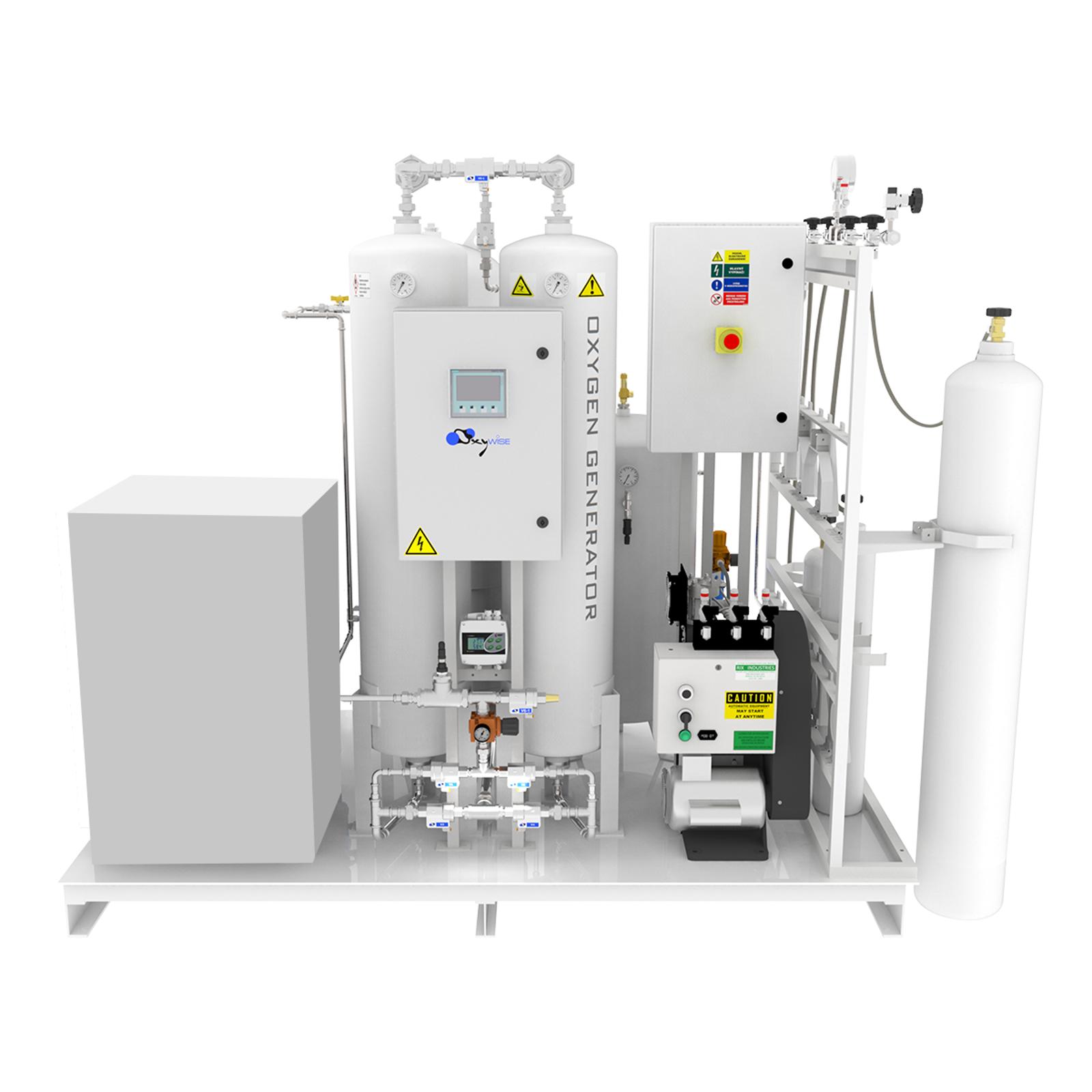
Skid‑Mounted Units: A plug‑and‑play format with a single electrical connection, designed to simplify installation and enable easier relocation when needed.  

oxygen-generators-section-image-aquaculture.png

Related products

medical-oxygen-generator-ir-image-v1-184.png

Medical oxygen generator

Produces medical grade oxygen from compressed air on site. 1 - 81 m3/h
Oxywise oxygen filling station updated square.png

Oxygen Filling Station

Complex system designed for filling cylinders on site.
3 - 42 m3/h

containerized-unit-ir-image-v1-32.png

Containerized Oxygen Plant

Compact solution design for outdoors installation.
9/20/40 ft
Oxywise Skid Mounted Unit updated square.png

Skid Mounted Unit

Skid mounted unit represents a plug-and-play solution. Both, medical and industrial versions can be supplied.
3.2 - 30 m3/h

How we reduce the biggest healthcare operational risk: downtime

In healthcare, oxygen is not optional—and interruptions are unacceptable. Our systems address the most common reliability threats in PSA operation:

Dynamic load durability for pressure cycling
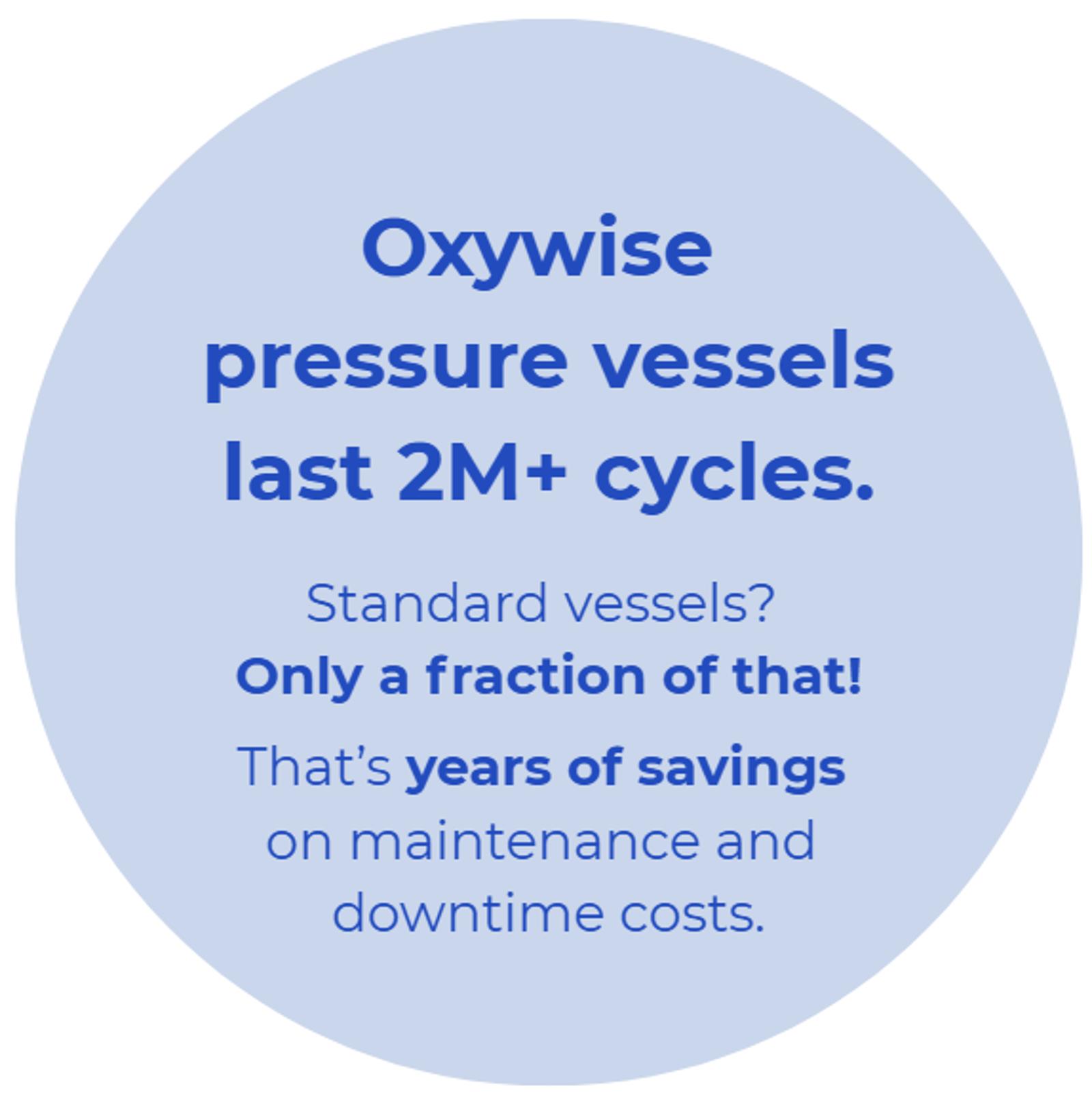
PSA systems cycle pressure continuously. Many standard pressure vessels are designed for static loads and can fatigue under frequent cycling, increasing inspection burden and downtime risk. Oxywise systems use vessels engineered for dynamic loading, extending inspection intervals and improving long‑term reliability in continuous service.  

Molecular sieve protection to prevent performance loss
Moisture contamination is one of the fastest ways to degrade PSA performance and drive costly sieve replacement. Oxywise protects the molecular sieve with moisture monitoring and protective logic that can prevent contaminated cycles from damaging the sieve—helping sustain purity and efficiency over time.

Built-in purity control for safer supply and fewer manual checks
Hospitals need oxygen quality they can verify—not just oxygen they can produce. Our medical systems can include built-in oxygen purity control that continuously monitors output, triggers alarms, and can divert off‑spec oxygen before it reaches the pipeline. This supports patient protection and reduces the operational load of manual sampling and logging.

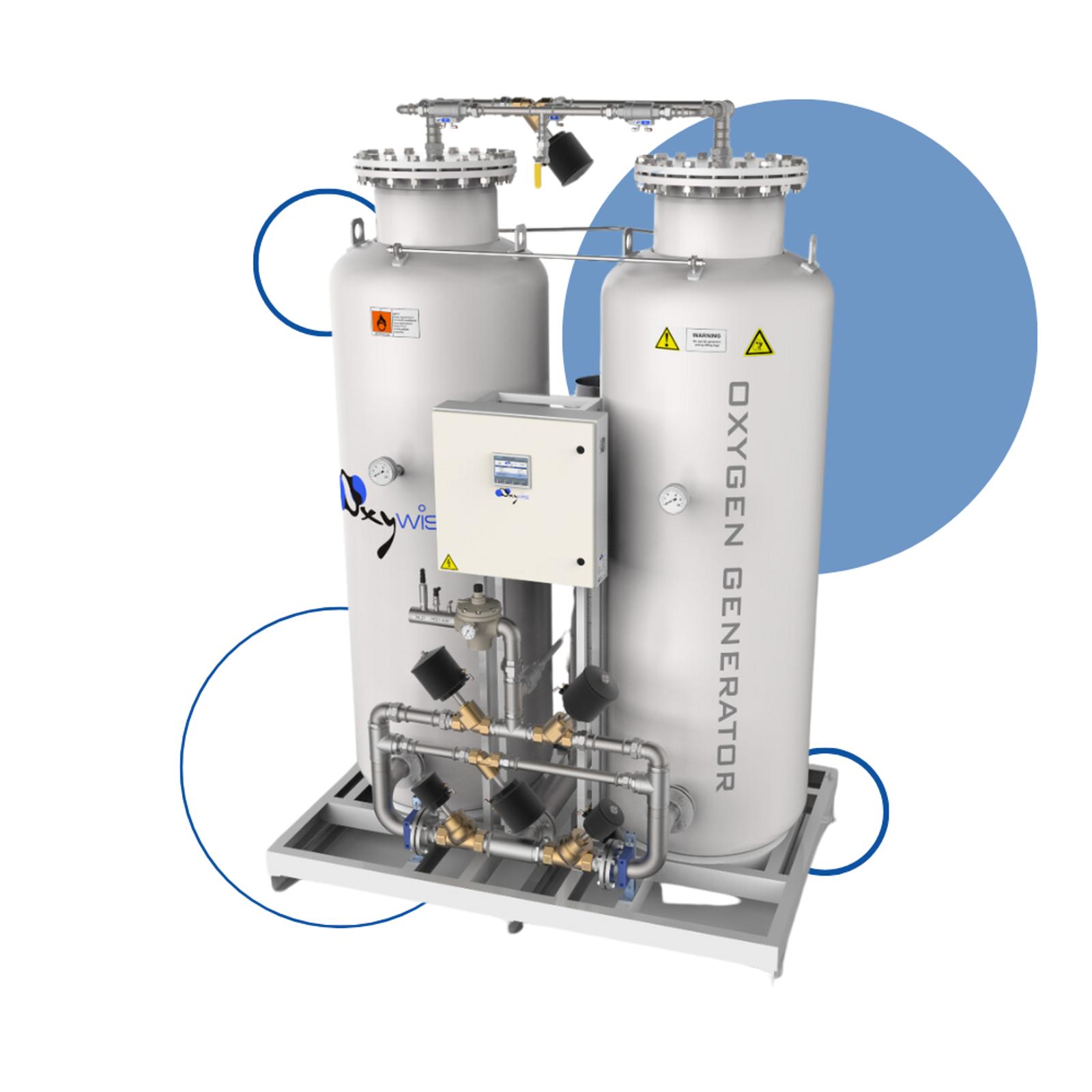
Oxywise Oxygen Generators for Healthcare Pressure Vessels

Compliance support and standards context—built into the application

Our healthcare application guidance references ISO requirements relevant to oxygen generator supply systems used with medical gas pipeline distribution systems (ISO 10083:2006 used with pipeline systems compliant with ISO 7396‑1). It also recognizes that oxygen generator supply systems can produce oxygen‑enriched air with oxygen concentration not less than 90%, and that Oxygen (93%) is recognized for medicinal use by the European pharmacopoeia and other worldwide pharmacopoeias.

In parallel, Oxywise highlights certifications such as ISO 9001, ISO 13485, CE, MDD, and PED, supporting procurement requirements where quality systems and documented compliance matter.

A TCO story that holds up in procurement reviews
On-site oxygen generation is not only about independence—it is about operating efficiency. By producing oxygen at your facility, hospitals can reduce oxygen-related costs by up to 70% compared with traditional sources, and typical ROI is often under 2 years (depending on demand and local conditions).

Operationally, reducing cylinder handling and large stored inventory can also lower safety overhead and release valuable space—important in constrained hospital environments.

For larger-scale operations, our filling station concepts can also support energy-efficiency initiatives, such as recovering compressor waste heat for use in reducing heating costs (configuration dependent).

Oxywise Oxygen Generators for Healthcare Purity level

Controls and construction aligned with hospital expectations Hospitals expect industrial reliability with healthcare accountability. Our systems use SIEMENS-powered control systems for automated operation and monitoring, and we specify robust stainless steel piping in our medical generator designs to support long-term integrity and reduced maintenance disruption.

Across the system, features such as automatic start/stop and built-in monitoring are designed to simplify daily management while maintaining the consistency healthcare environments demand.

The result: a hospital oxygen supply you control With Oxywise, on-site PSA oxygen becomes a managed utility—engineered for continuity, supported by monitoring and serviceability, and available in configurations that match how hospitals actually operate (pipeline supply, backup cylinder filling, rapid deployment, and modular expansion).

Service & Lifecycle Support for Medical Oxygen Generators (Aftermarket That Protects Uptime)

A hospital oxygen system only delivers long-term value when it is maintained in a planned, auditable way. That’s why Oxywise supports healthcare customers with structured aftermarket services designed to protect uptime, sustain oxygen quality, and reduce the risk of unexpected breakdowns.  

Planned maintenance instead of reactive call-outs 
Our service approach is built around preventive routines that keep your PSA medical oxygen generator operating efficiently and reliably. Scheduled inspections help identify wear early, while annual maintenance with genuine Oxywise service kits helps maintain clean, consistent gas production and stable performance.  

Service kits and genuine parts for predictable lifecycle planning 
To support procurement planning and reduce lifecycle surprises, Oxywise provides genuine spare parts and annual maintenance service kits designed for multi‑year maintenance cycles (from 1 to 10 years). This structure helps hospitals align maintenance budgets, simplify spare parts management, and keep critical components within specification over the long term.  

Calibration and performance verification for compliance confidence 
In healthcare applications, monitoring accuracy matters. Oxywise supports periodic calibration of sensors and related devices to maintain purity accuracy and support compliance processes. We also recommend component testing of key subsystems—such as compressors, dryers, and sieves—to confirm they are functioning correctly and to prevent performance drift from becoming downtime.  

Global support with dedicated repair capability 
Oxywise operates with a robust distribution and service network worldwide, supported by a dedicated Service and Repair Centre in Slovakia staffed by trained engineers and technicians. This helps ensure access to the right parts, the right technical expertise, and timely support throughout the system lifecycle.  

The outcome: higher uptime, lower operational risk 
By combining planned inspections, genuine service kits, calibration, and subsystem testing—backed by global support—Oxywise helps healthcare facilities turn oxygen generation into a dependable utility: fewer surprises, less disruption, and a cleaner path to long-term total cost of ownership control.  

Service & Lifecycle Support (Aftermarket That Protects Uptime)

Even the best PSA technology delivers value only when it is maintained with discipline. Hospitals need planned service, predictable parts availability, and support that aligns with patient-critical operations. 

Oxywise describes an aftermarket approach built around reliability and lifecycle efficiency: scheduled inspections to identify wear early; annual maintenance using genuine service kits; genuine spare parts and multi‑year service kits designed for 1–10 year maintenance cycles; calibration of sensors and related devices to maintain purity accuracy; and component testing (compressors, dryers, sieves) to ensure key subsystems perform as expected over time. 

Oxywise also references a global distribution and service network alongside a dedicated service and repair center in Slovakia—important for hospital buyers who prioritize response capability and technical continuity across the system’s life. 

For decision makers, this matters because “service” is not a line item—it’s the difference between a generator that is merely installed and a generator that becomes a reliable, auditable backbone of oxygen supply year after year. 

Talk to Oxywise Team – Get a Tailored Offer for Your New Oxygen Generating System

Our team of experienced engineers will be happy to answer any questions you may have. We provide application and sizing support, helping our customers every step of the way to get a highly efficient oxygen generating system tailored to their needs. 

FAQ

A PSA medical oxygen generator produces oxygen on-site from compressed air using Pressure Swing Adsorption (PSA), reducing reliance on cylinders or liquid oxygen deliveries. It’s designed to provide a continuous, cost-efficient oxygen source for healthcare facilities where supply continuity is critical.