logo.png

Why Oxygen Is the Profit Lever in Fish Farming

In modern aquaculture, oxygen is not just a biological necessity—it is a core economic variable. The ability to deliver stable, on‑demand oxygen directly influences growth rates, feed efficiency, stocking density, and operational risk. For professional fish farms, oxygen management is one of the fastest ways to improve profitability without expanding footprint or labor. 

Dissolved Oxygen (DO): The Hidden Driver of Growth and Survival 

Fish metabolism, respiration, and waste removal are all oxygen‑dependent. When dissolved oxygen drops below optimal levels, fish experience stress, reduced appetite, slower growth, and higher mortality. Even short‑term DO fluctuations can disrupt production cycles and compromise an entire crop. Stable oxygen levels = predictable growth, healthier fish, and consistent output. 

Oxygen and Feed Conversion: Turning Feed Into Biomass 

Feed represents one of the largest operating costs in fish farming. In oxygen‑rich water, fish convert feed more efficiently, achieving better Feed Conversion Ratios (FCR). Poor oxygenation, by contrast, means more uneaten feed, higher ammonia load, and rising water treatment costs. 
Better oxygen utilization directly lowers cost per kilogram of fish produced. 
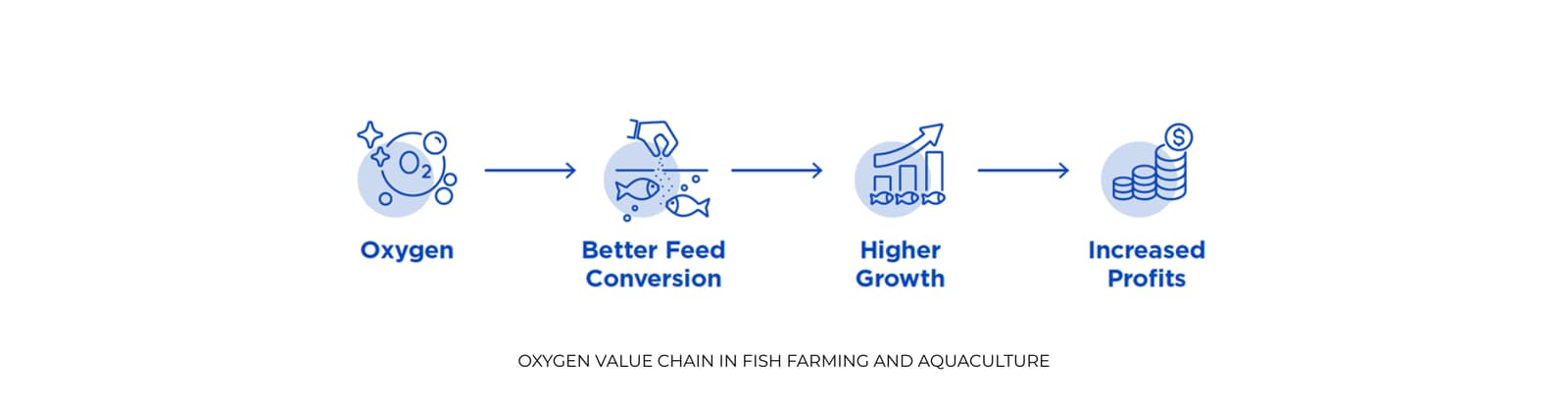
Oxywise Oxygen Value Chain in Fish Farming and Aquaculture
Oxygen Demand Is Not Constant—Your Supply Must Be Flexible

Oxygen consumption can spike suddenly during:

  • Feeding periods
  • High biomass density
  • Grading and harvesting
  • Seasonal temperature increases

Without a responsive oxygen supply, these peak events become high‑risk moments. On‑site oxygen generation allows farms to scale oxygen delivery instantly, protecting stock exactly when demand is highest.

The Real Cost of Oxygen Shortage: Risk, Loss, and Downtime

A single oxygen incident can result in:

  • Acute fish losses
  • Production delays
  • Emergency oxygen purchases
  • Long‑term damage to growth performance

From a business perspective, oxygen instability introduces financial volatility. Reliable oxygen supply reduces operational risk and protects revenue, making it a strategic asset—not an overhead. Fish farms that treat oxygen as a controlled production input—not a reactive utility—achieve higher yields, lower unit costs, and more resilient operations. This is why oxygen is one of the most powerful profit levers in professional aquaculture. 


Key Oxygenation Challenges in Aquaculture Operations

Delivering the right amount of oxygen, at the right time, in the right place is one of the most demanding operational challenges in fish farming. As production intensifies and margins tighten, oxygen systems must perform reliably under dynamic, often harsh conditions. The following challenges are common across ponds, raceways, hatcheries, and RAS facilities.

Inconsistent Oxygen Supply and Logistics Dependency
  • Delivery delays or shortages during peak demand
  • Rising and unpredictable oxygen prices
  • Dependence on external suppliers for a mission‑critical input

In aquaculture, oxygen interruptions are not an inconvenience—they are a biological and financial threat.


Oxywise Fish Farming Section Image1.png
Over‑Oxygenation Waste vs. Under‑Oxygenation Risk

Oxygen demand in fish farming fluctuates constantly with biomass, feeding cycles, temperature, and activity. Fixed or manually controlled systems often result in:

  • Over‑oxygenation, wasting energy and oxygen
  • Under‑oxygenation, stressing fish and reducing growth

Without precise control, farms either overspend on oxygen or accept unnecessary biological risk—often both.


24/7 Reliability Requirements in Living Systems

Fish farms do not stop at night, on weekends, or during holidays. Oxygen systems must operate continuously and autonomously. Common pain points include:

  • Equipment not designed for constant cycling
  • Unexpected downtime due to wear, moisture, or control failures
  • Emergency interventions that increase labor and risk

In a live production environment, even short outages can translate into irreversible losses.


Harsh, Humid Environments That Degrade Equipment

Aquaculture facilities are inherently challenging environments:

  • High humidity and condensation
  • Corrosive atmospheres
  • Limited space and difficult access

Standard industrial components—especially piping and pressure vessels—often degrade faster than expected, increasing maintenance costs and downtime if not purpose‑built for aquaculture conditions.


Monitoring, Compliance, and Operational Visibility

Maintaining stable dissolved oxygen levels across multiple tanks or ponds requires continuous monitoring. Manual checks are:

  • Labor‑intensive
  • Prone to human error
  • Poorly suited for audits, certifications, or investor scrutiny

Modern farms increasingly require automated monitoring, data logging, and alarms to ensure consistency, traceability, and operational confidence.


On‑Site Oxygen Generation for Aquaculture: How PSA Works

On‑site oxygen generation has become the preferred oxygen supply model for professional fish farms because it delivers continuous, controllable oxygen exactly where and when it is needed—without reliance on external deliveries. At the core of this approach is PSA (Pressure Swing Adsorption) technology, a proven and industrially robust method for producing high‑purity oxygen directly from ambient air.


PSA Oxygen Generation: Oxygen From Air, On Demand

A PSA oxygen generator separates oxygen from compressed air using a specialized molecular sieve. The process requires only electricity and compressed air, allowing fish farms to produce oxygen independently, safely, and around the clock. For aquaculture, this means oxygen becomes a managed production input rather than a delivered consumable.


Oxygen Purity in Aquaculture: What Really Matters

PSA oxygen generators deliver 90–95% oxygen purity, which is ideal for fish farming applications. This purity level:

  • Dramatically increases oxygen transfer efficiency compared to air
  • Enables precise dissolved oxygen control
  • Supports higher stocking densities and stable growth programs

Higher purity does not automatically mean better outcomes; consistent purity and flow matched to biological demand is what protects fish health and farm economics.


Designed for Continuous, Dynamic Operation

Fish farms impose unique demands on oxygen systems: frequent load changes, constant cycling, and non‑stop operation. PSA technology is well suited to this environment because it is:

  • Fully automated
  • Scalable across farm sizes
  • Proven in 24/7 industrial applications

When properly engineered for dynamic loads and humid conditions, PSA oxygen generators become a long‑term infrastructure asset, not a consumable workaround.

Aquaculture Oxygen Generators Brochure

Explore a cost‑efficient, continuous oxygen solution that enhances fish health, supports higher stocking densities, and optimizes aquaculture performance.

Oxywise Aquaculture Oxygen Generators Brochure EN Thumbnail

Oxywise Oxygen Generators for Aquaculture

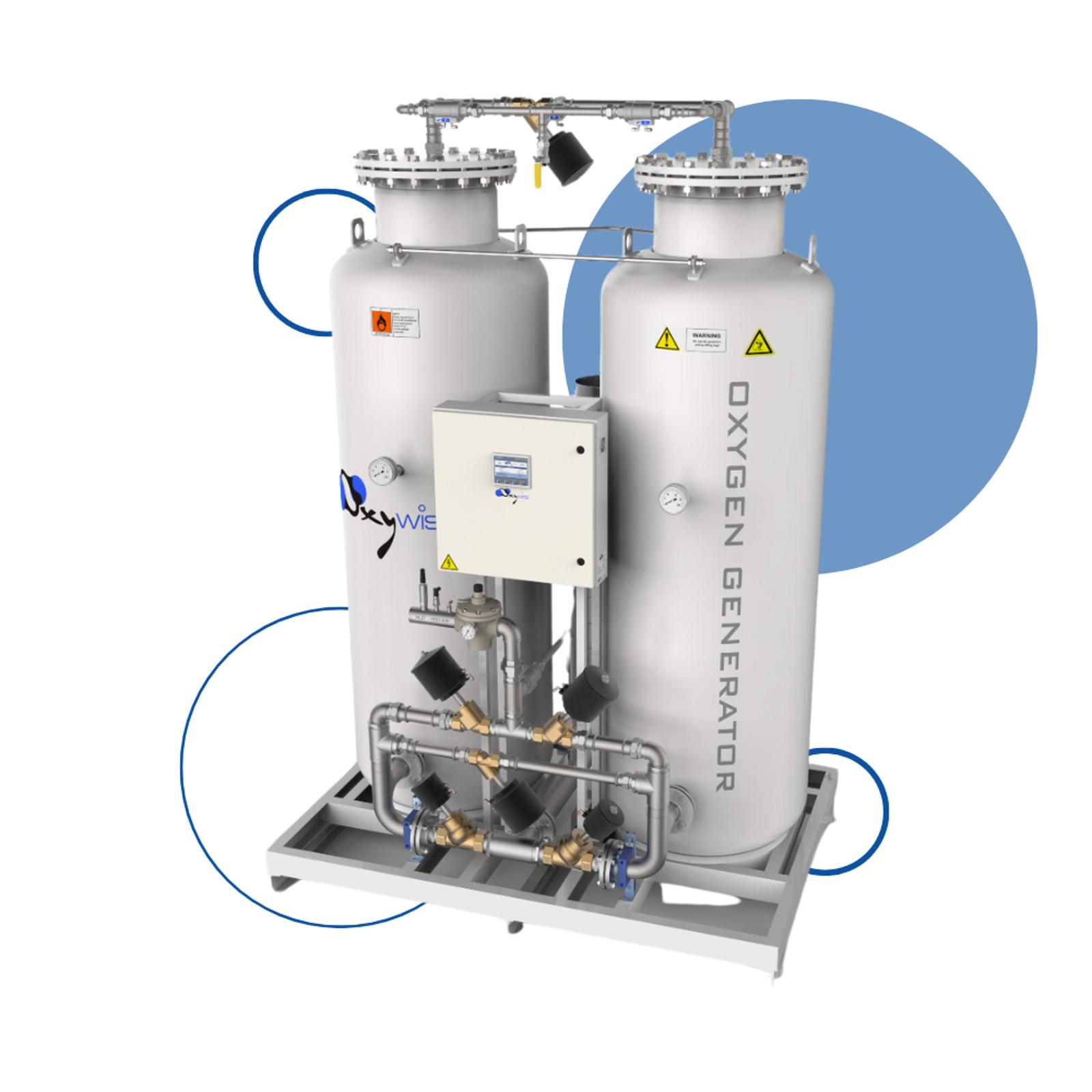
Choosing an oxygen generator for fish farming is not only about oxygen purity or capacity—it is about system design, reliability under continuous load, and long‑term operating cost. Oxywise oxygen generators are engineered specifically for demanding, 24/7 aquaculture environments, combining proven PSA technology with industrial‑grade components and intelligent control.

Below is what distinguishes an Oxywise oxygen generator for aquaculture in real‑world fish farm operation.

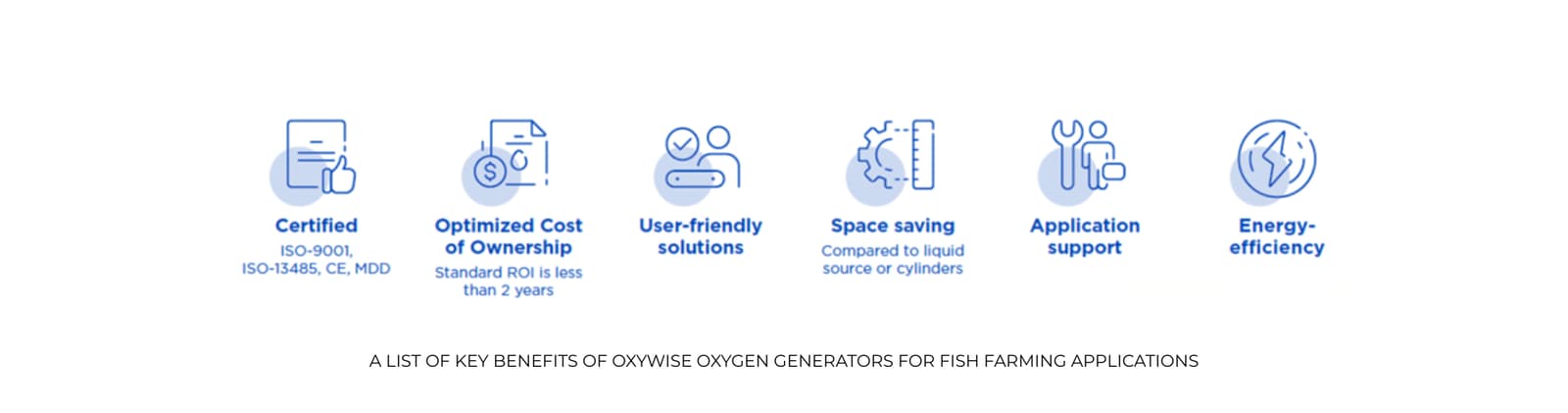
Oxywise oxygen generators for fish farming applications Key benefits

Scalable Capacity and Application Flexibility

Selecting an oxygen generator for aquaculture is a decision about uptime, control, and lifetime cost. Oxywise systems combine PSA oxygen generation with industrial‑grade design features built for humid environments, cyclic pressure operation, and 24/7 duty.

Capacity is configurable—from compact units for hatcheries to higher‑output systems for intensive farms—so oxygen production matches current biomass and can expand as the site grows. This helps avoid oversizing while keeping headroom for peak demand.


Engineered for True 24/7 Operation

Aquaculture oxygen demand is dynamic and continuous. Oxywise generators are designed for round‑the‑clock operation with automatic start/stop functionality that adjusts production based on real consumption. 


Dynamic Load Pressure Vessels (Built to Last)

PSA systems cycle pressure frequently, which can fatigue standard vessels over time. Oxywise uses pressure vessels engineered for dynamic load conditions to extend inspection intervals and reduce fatigue‑related downtime—improving availability and lowering lifetime maintenance cost.


Built‑In Oxygen Purity Control

Oxygen purity is monitored continuously at the generator outlet. If purity falls outside limits, off‑spec gas can be diverted and alarms signalled to operators or plant control systems. The benefit is steadier DO, reduced waste, and documented purity performance for internal reporting or audits.


Molecular Sieve Protection Against Moisture

Moisture is a leading cause of PSA degradation. Oxywise integrates inlet air moisture protection (dew point monitoring and protective shutdown logic) to prevent sieve contamination if upstream air treatment is compromised, helping avoid costly premature replacements.

Intelligent Siemens‑Based Control System
A Siemens‑based control platform provides a globally supported automation backbone with a clear interface, alarm handling, and options for remote monitoring. This supports standardised operation and easier troubleshooting across sites.

Stainless Steel Piping for Aquaculture Environments

Corrosion‑resistant stainless steel oxygen piping supports clean delivery and long service life in humid, aggressive environments—reducing leak risk and maintenance burden.

Optimized Cost of Ownership and Fast ROI

By eliminating delivered oxygen costs and reducing emergency interventions, on‑site generation typically delivers attractive payback in commercial fish farming. Oxywise designs focus on energy efficiency, protection features, and serviceability—so savings are sustained over the lifetime of the system.


oxygen-generators-section-image-aquaculture.png

Related Products

oxygen-generator-main-standards.png

Oxygen Generator - Standard

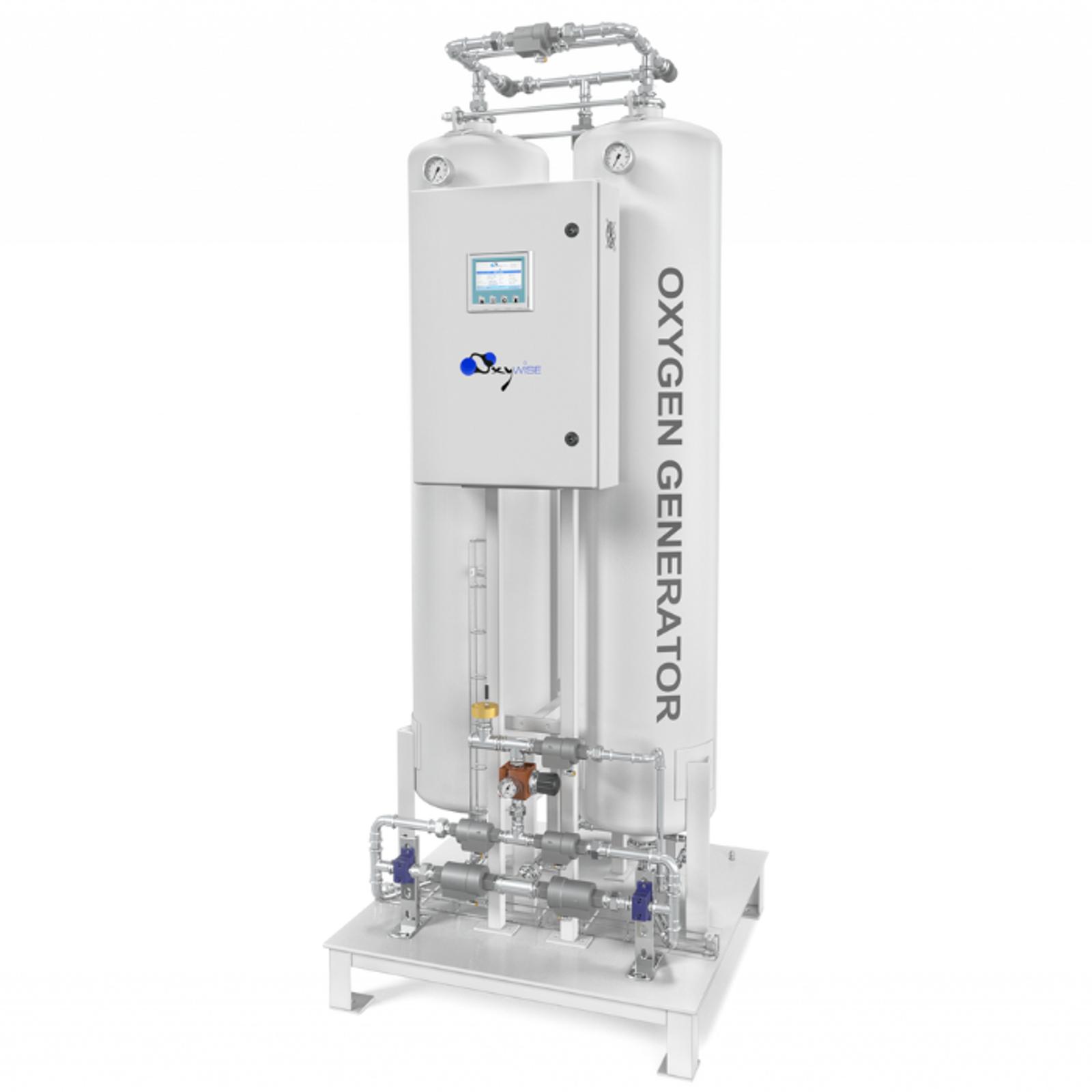
Generator produce gaseous oxygen from compressed air on site and offer a cost-effective, reliable and safe alternative to traditional oxygen gas supplies

oxygen-generator-main-images.png

Oxygen Generator - SEP

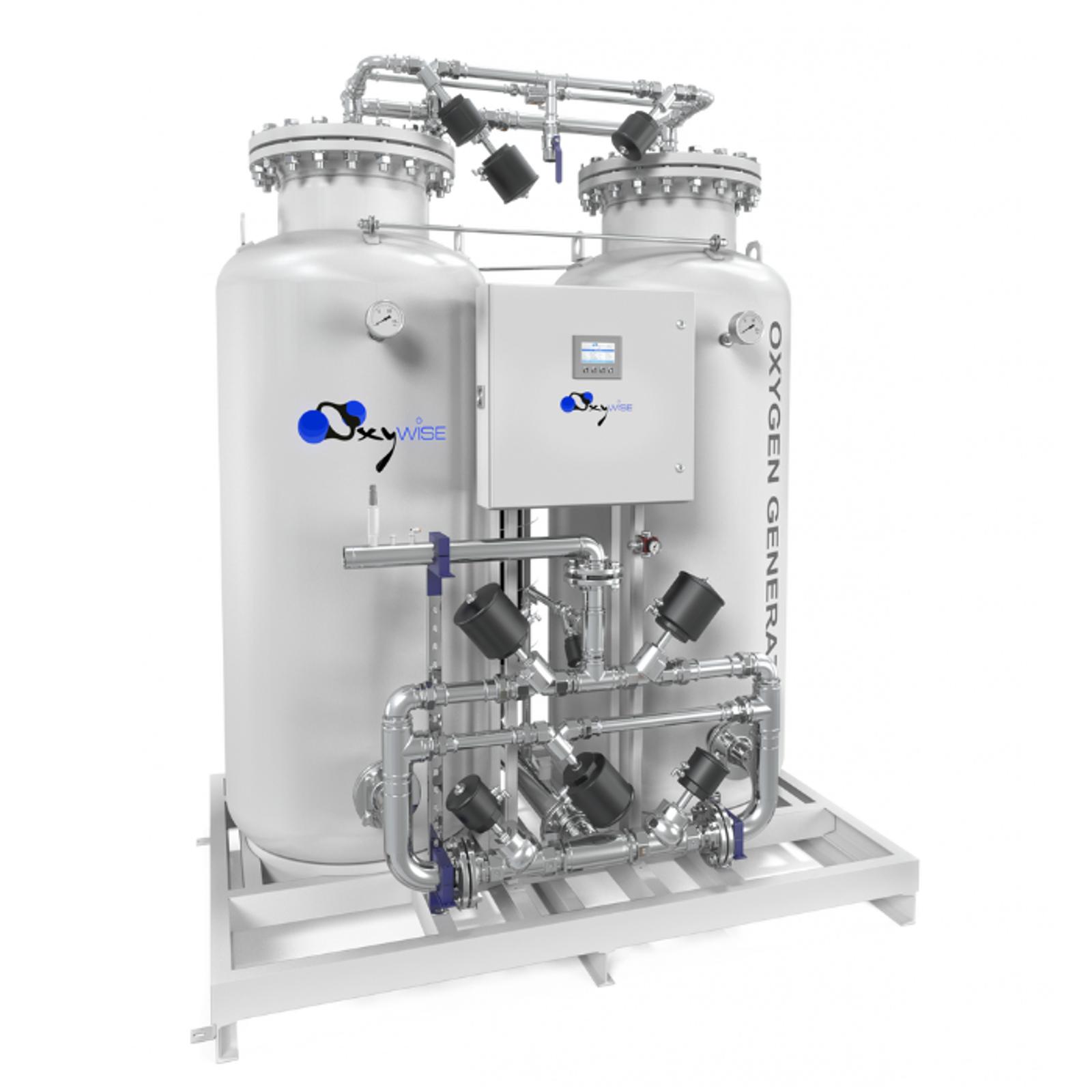
Sep generator produce gaseous oxygen from compressed air on site and offer a cost-effective, reliable and safe alternative to traditional oxygen gas supplies

oxygen-generator-main-sep.png

Oxygen Generator - MULTISEP

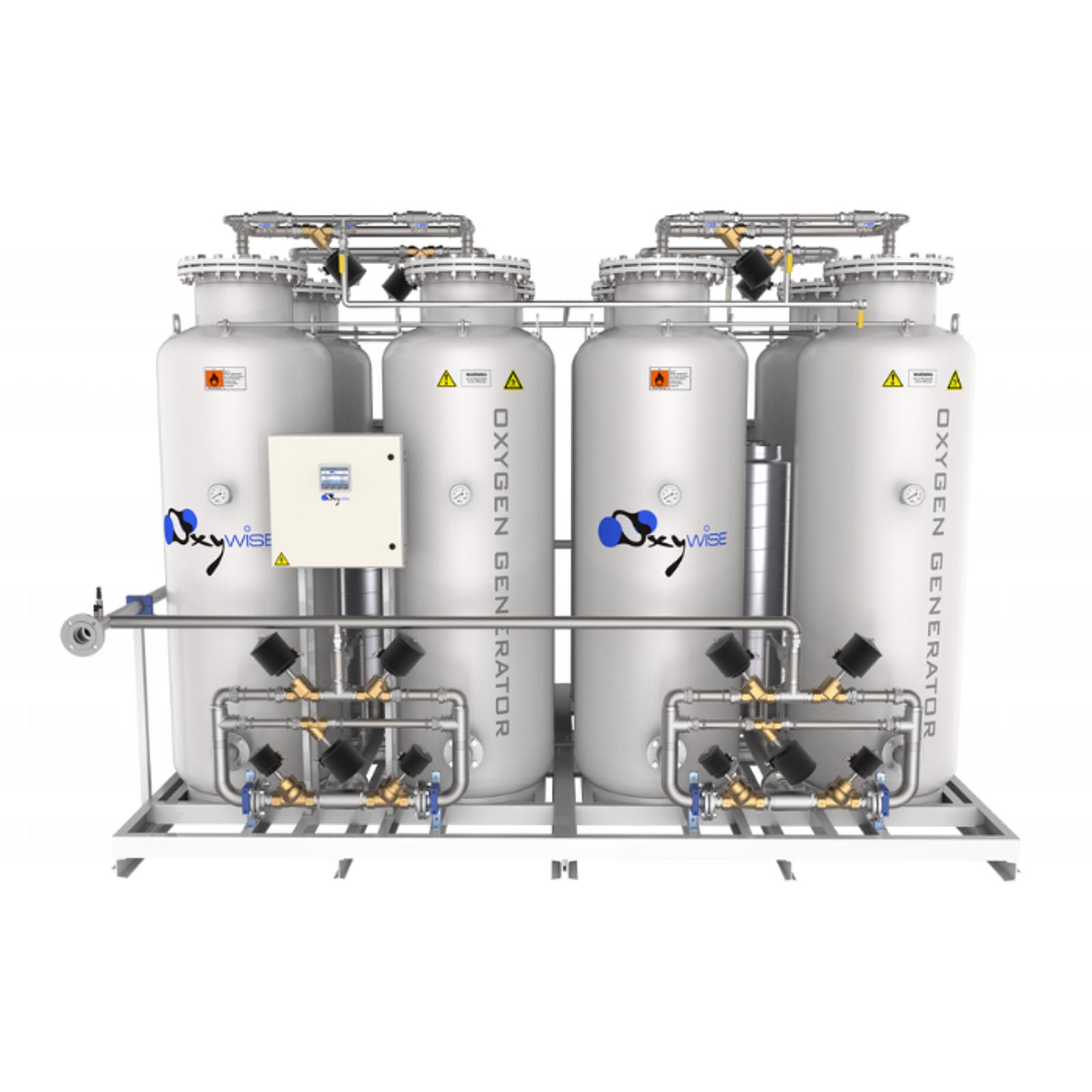
Multisep generator produce gaseous oxygen from compressed air on site and offer a cost-effective, reliable and safe alternative to traditional oxygen gas supplies

oxy-cone-c3-1588x2246.png

Oxygen Cones

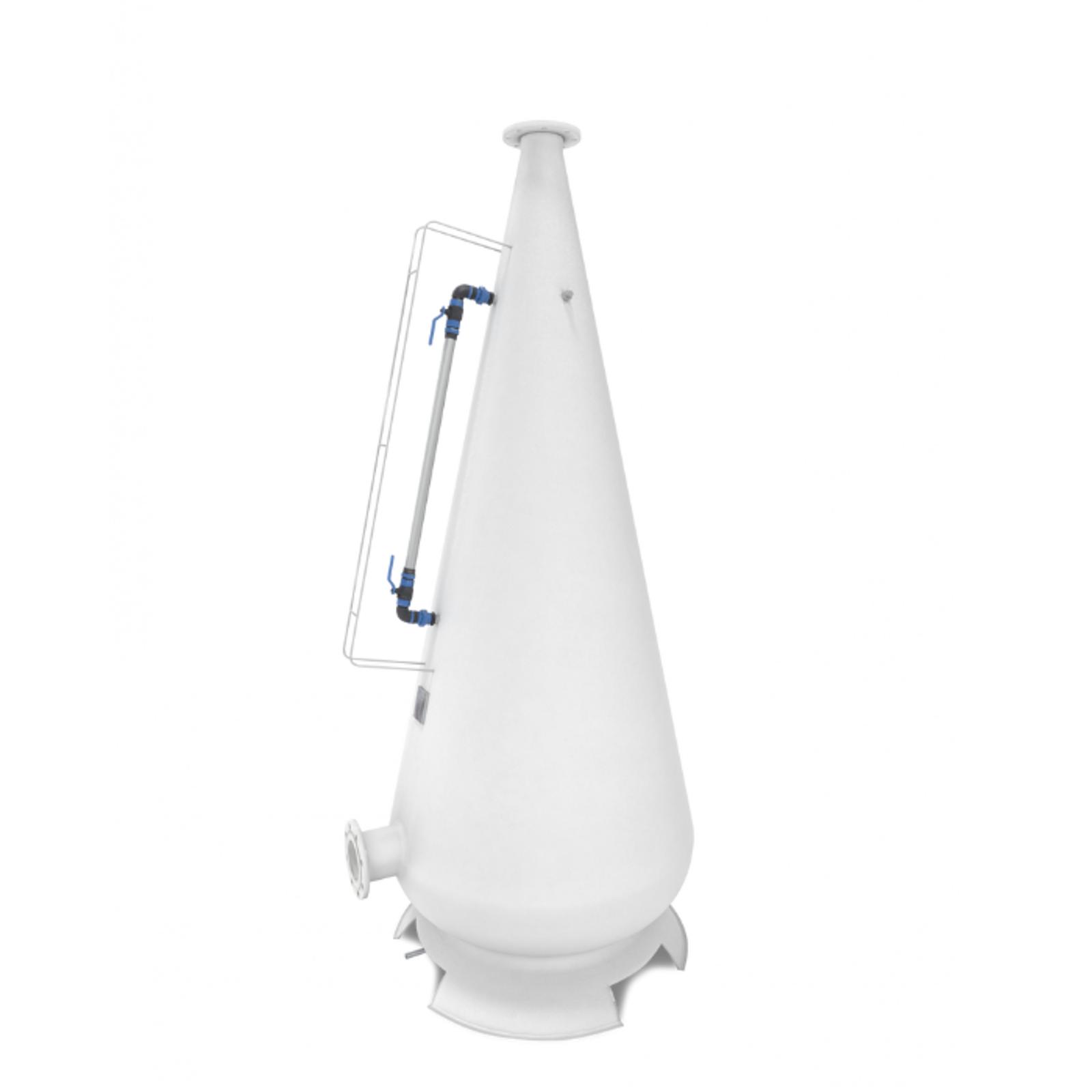
Represent another way how to dissolve oxygen in the water.
500 - 2340 l/min
gas-distribution-panels-ir-image-v1-16.png

Gas Distribution Panels

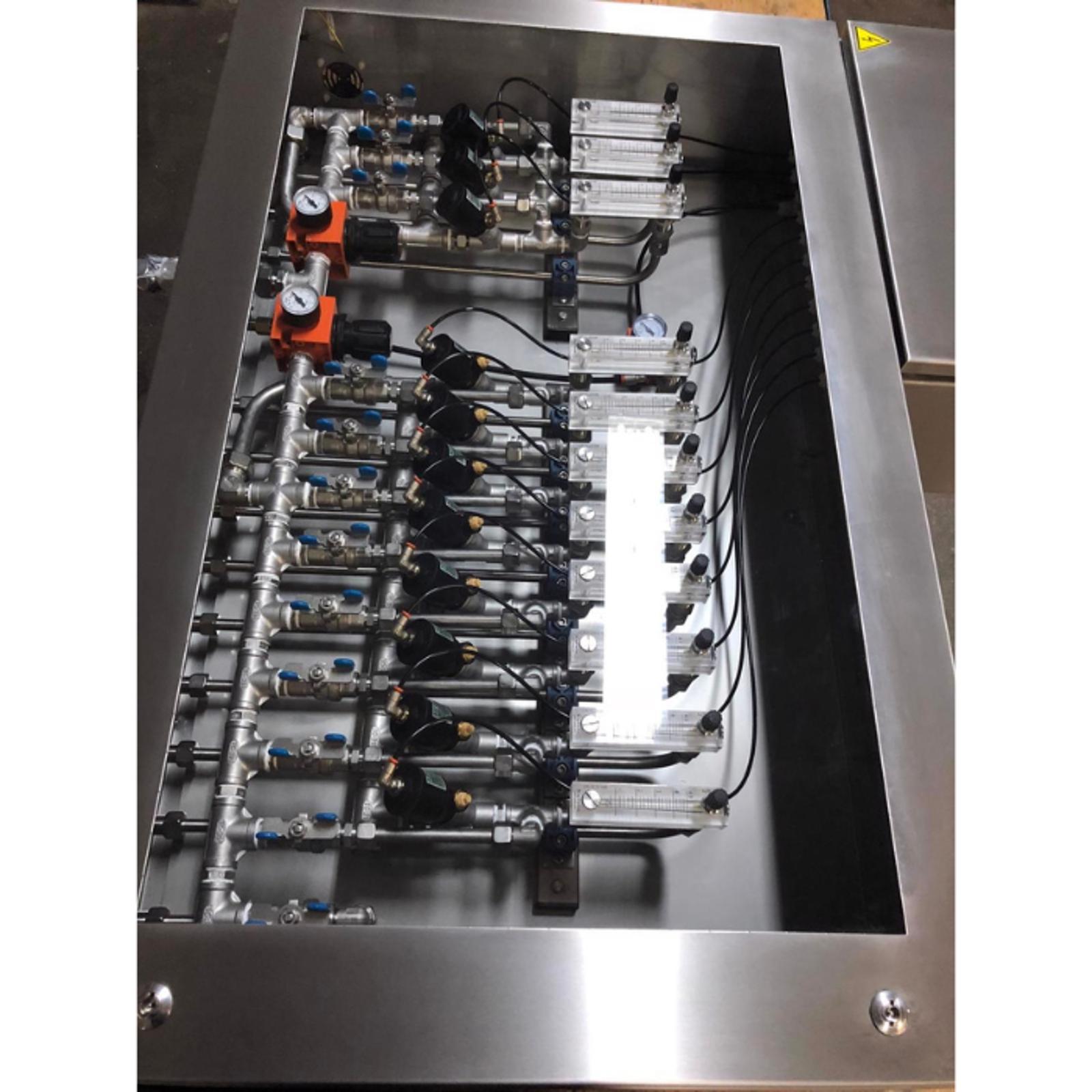
The Oxygen distribution panel controls pneumatic valves that regulate the amount of oxygen based on information sent from the control system.

Why On‑Site Oxygen Generators Beat Cylinders & Liquid Oxygen (LOX)

Cylinders and LOX can meet oxygen demand, but they impose recurring costs and operational constraints that intensify as farms scale. On‑site oxygen generators for aquaculture remove the delivery layer and give farms direct control over supply, responsiveness, and operating cost.


Predictable Total Cost of Ownership (TCO)

Delivered oxygen is exposed to supplier pricing, transport surcharges, rentals, and contract conditions. In contrast, on‑site generation converts oxygen into a predictable operating cost driven mainly by electricity and scheduled maintenance, improving budgeting and protecting margins. 

For most professional fish farms, this translates into significantly lower lifetime oxygen costs compared to delivered oxygen.


Energy Efficiency Where It Matters

High‑purity oxygen allows efficient dissolution compared with moving large volumes of air through aeration equipment. When generation and dosing are matched to real demand, farms reduce wasted oxygen and avoid the energy penalty of over‑aeration.

The result is lower energy cost per unit of biomass, especially in intensive systems.


Elimination of Supply Chain Risk

On‑site generation reduces dependence on deliveries, minimum orders, and emergency sourcing. For living biomass, that resilience matters: oxygen stays available during peak demand events and adverse logistics conditions.

Your oxygen supply becomes as reliable as your power supply—fully under your control.


Improved Safety and Simplified Handling

Reducing cylinder handling and cryogenic management simplifies site routines and decreases exposure to high‑pressure and cryogenic oxygen hazards, lowering training burden and improving overall site safety.


Faster ROI and Long‑Term Financial Advantage

Savings come from avoided oxygen purchases, stabilised operating costs, and reduced downtime risk. Once payback is achieved, the farm benefits from years of low‑cost oxygen production—improving margins across every crop cycle.


Designed for Continuous Aquaculture Operation

On‑site systems support continuous, automated oxygen programs—valuable during feeding peaks, heat stress, grading, and harvest, when oxygen demand rises quickly and the cost of instability is highest.

Application Fit: Where On‑Site Oxygen Works Best

On‑site oxygen generation delivers the greatest value in aquaculture systems where oxygen demand is high, variable, or mission‑critical. Because PSA oxygen generators provide continuous, controllable supply, they integrate especially well into professional fish farming operations focused on efficiency, scalability, and risk reduction.

Below are the aquaculture applications where on‑site oxygen generators consistently deliver the strongest operational and economic impact.


Hatcheries and Nurseries: Maximum Control at the Most Sensitive Stage

Early life stages are sensitive to DO swings. On‑site oxygen supports tight control during start‑up, weaning, and rapid growth phases, improving survival consistency and reducing manual interventions.


Intensive Grow‑Out Systems and RAS Facilities

RAS and intensive grow‑out operations run at high biomass with strong oxygen demand. On‑site generation supports continuous supply, scales with growth, and integrates with automation—enabling higher stocking densities while maintaining welfare and performance.


Raceways and Flow‑Through Systems

In raceways, oxygen must keep pace with flow rate and metabolic load. On‑site generation enables consistent dosing and smoother DO profiles along the system, improving growth uniformity and reducing the risk of oxygen‑poor zones.


Pond‑Based Fish Farming

Ponds face seasonal and daily variability, including warm‑weather depletion and nighttime DO drops. On‑site oxygen provides high‑purity supply for peak‑risk periods, helping stabilise performance without relying solely on energy‑intensive aeration.


Winter Operation and Cold‑Climate Farms

In cold climates, reduced gas exchange and ice cover can create oxygen stress. On‑site systems support winter oxygen programs that protect stock and keep production plans on track.


Ozone‑Assisted Water Treatment Systems

If the site uses ozone for disinfection or water quality management, on‑site oxygen can serve as feed gas—simplifying infrastructure and improving overall system efficiency.


Operations Focused on Scale and Long‑Term Growth

As farms expand, delivered oxygen often becomes a bottleneck. On‑site generation scales with production and reduces oxygen cost growth, supporting long‑term capacity planning and multi‑cycle profitability.

Talk to Oxywise Team – Get a Tailored Offer for Your New Oxygen Generating System

Our team of experienced engineers will be happy to answer any questions you may have. We provide application and sizing support, helping our customers every step of the way to get a highly efficient oxygen generating system tailored to their needs. 

FAQ

The best oxygen generator for fish farming is one that delivers stable oxygen purity, reliable 24/7 operation, and low total cost of ownership, while being engineered for humid, cyclic aquaculture environments. PSA (Pressure Swing Adsorption) oxygen generators are the industry standard because they produce oxygen on‑site from ambient air and scale easily across farm sizes.